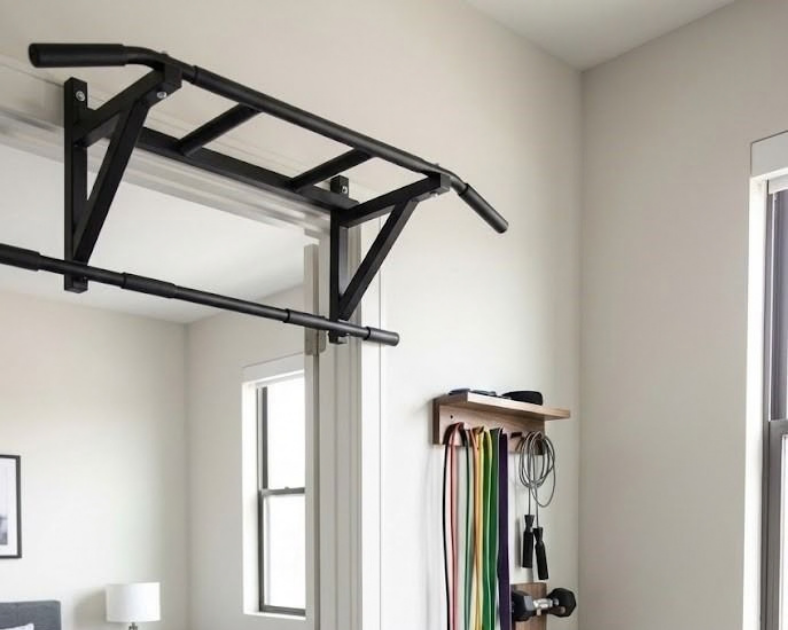
A doorway pull up bar is a convenient way to add upper-body strength training to your home without needing a large home gym setup. Depending on your space and installation preferences, you can choose between a no-screw doorway bar, wall-mounted pull-up bar or freestanding system.
However, not every pull-up bar is suitable for every doorway or user. Therefore, it is important to consider the door frame, weight capacity, installation method, grip options and available space before buying.
- What Is a Doorway Pull-Up Bar?
- 1. No-Screw Doorway Pull-Up Bar
- 2. Wall-Mounted Pull-Up Bar
- 3. Freestanding Pull-Up Bar
- Doorway vs Wall-Mounted vs Freestanding Pull-Up Bars
- What Is the Best Pull-Up Bar for Home?
- What to Look for When Buying a Doorway Pull-Up Bar
- Can You Do More Than Pull-Ups?
- Are No-Screw Pull-Up Bars Safe?
- Frequently Asked Questions
- Final Thoughts
What Is a Doorway Pull-Up Bar?
A doorway pull-up bar is designed to fit into or around a door frame, allowing you to perform exercises such as pull-ups, chin-ups and hanging movements.
Unlike a permanent gym station, a home pull up bar can usually be installed in a relatively small space. Some models are removable, while others require permanent mounting.
The main types include:
- No-screw doorway pull-up bars
- Wall-mounted pull-up bars
- Freestanding pull-up stations
- Telescopic doorway bars
Each option has different advantages depending on your home and training goals.
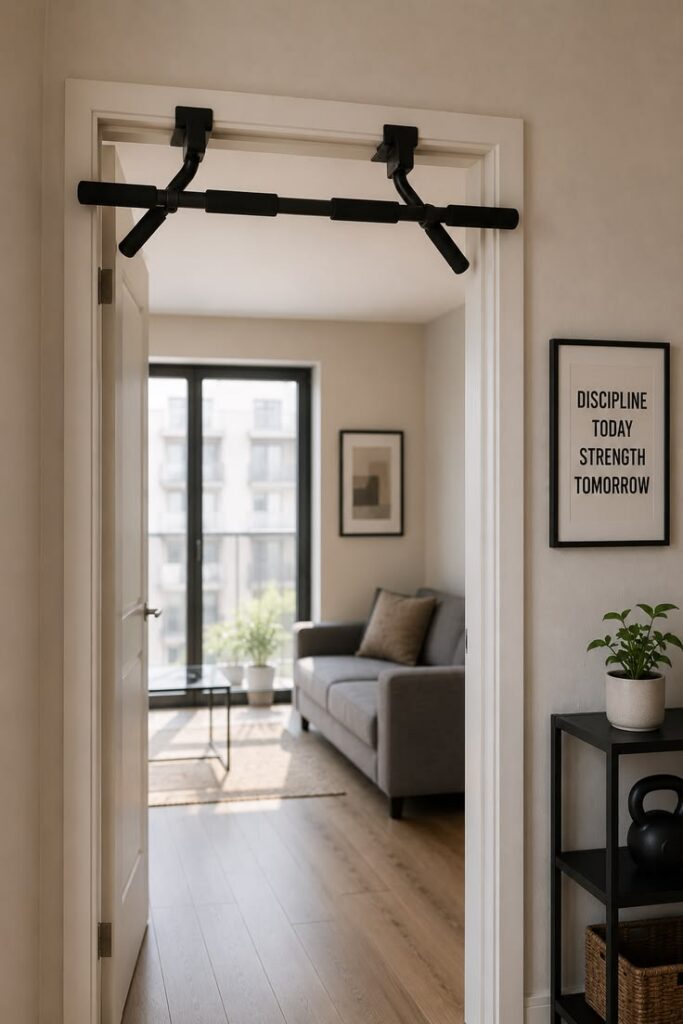
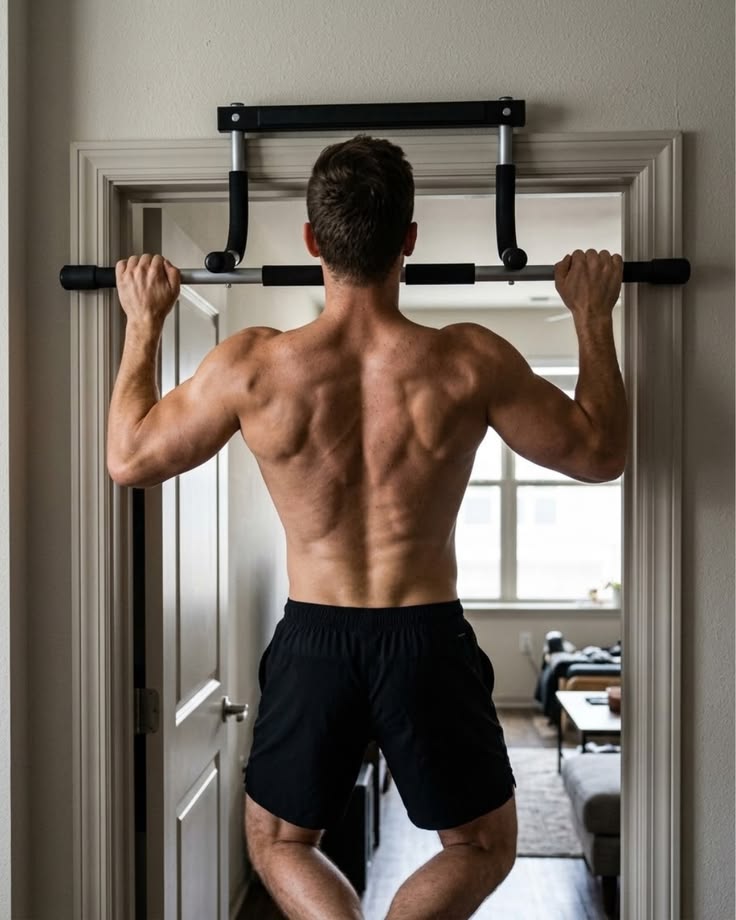
1. No-Screw Doorway Pull-Up Bar
A pull up bar no screws design is particularly attractive for renters or people who do not want to drill into their walls or door frames.
These bars generally use the structure of the doorway to support the equipment. However, installation instructions and weight limits vary considerably between products.
Pros
- No permanent drilling
- Easy to remove
- Compact
- Suitable for many home environments
Cons
- Requires a compatible doorway
- May have lower weight limits
- Can restrict certain movements
- Incorrect installation can create safety risks
Before purchasing, measure your doorway and check the manufacturer’s specifications carefully.
2. Wall-Mounted Pull-Up Bar
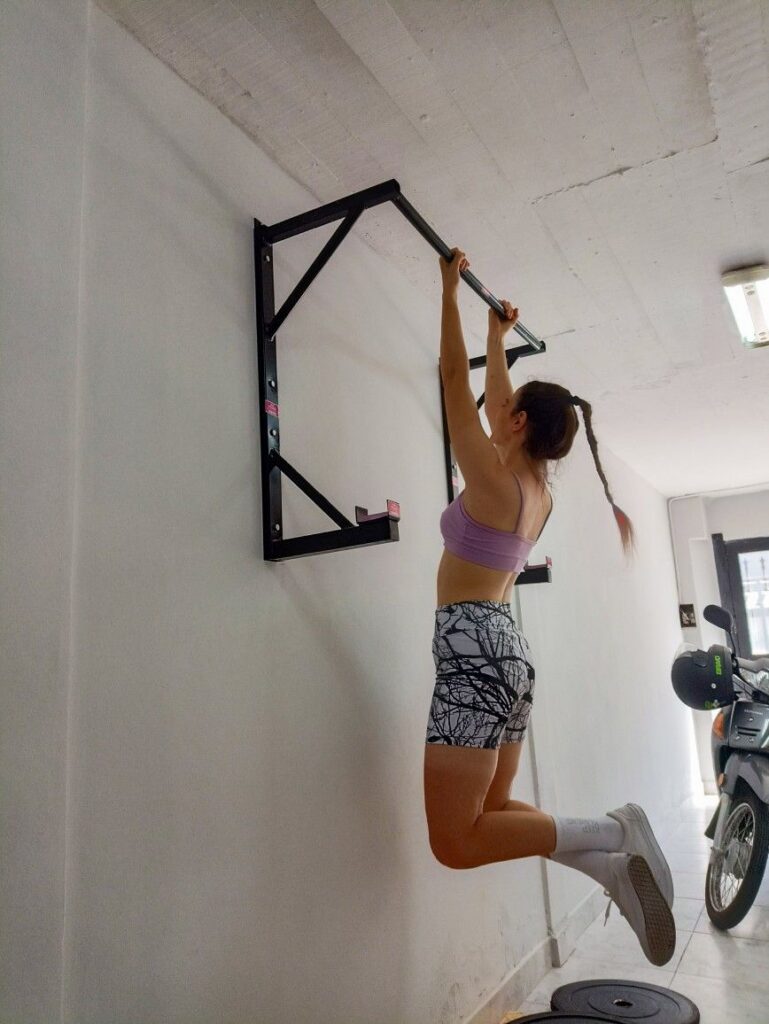
A wall mounted pull up bar is a more permanent option. It can provide a stable platform for pull-ups, chin-ups and other bodyweight exercises when correctly installed.
Because the bar is attached directly to a suitable wall structure, it can also provide more clearance than some doorway models.
Pros
- Stable installation
- Greater exercise space
- Multiple grip positions on some models
- Suitable for regular training
Cons
- Requires drilling
- Needs a suitable structural surface
- More difficult to move
- Installation must be completed correctly
A wall-mounted bar can be particularly useful for dedicated home gyms.
3. Freestanding Pull-Up Bar
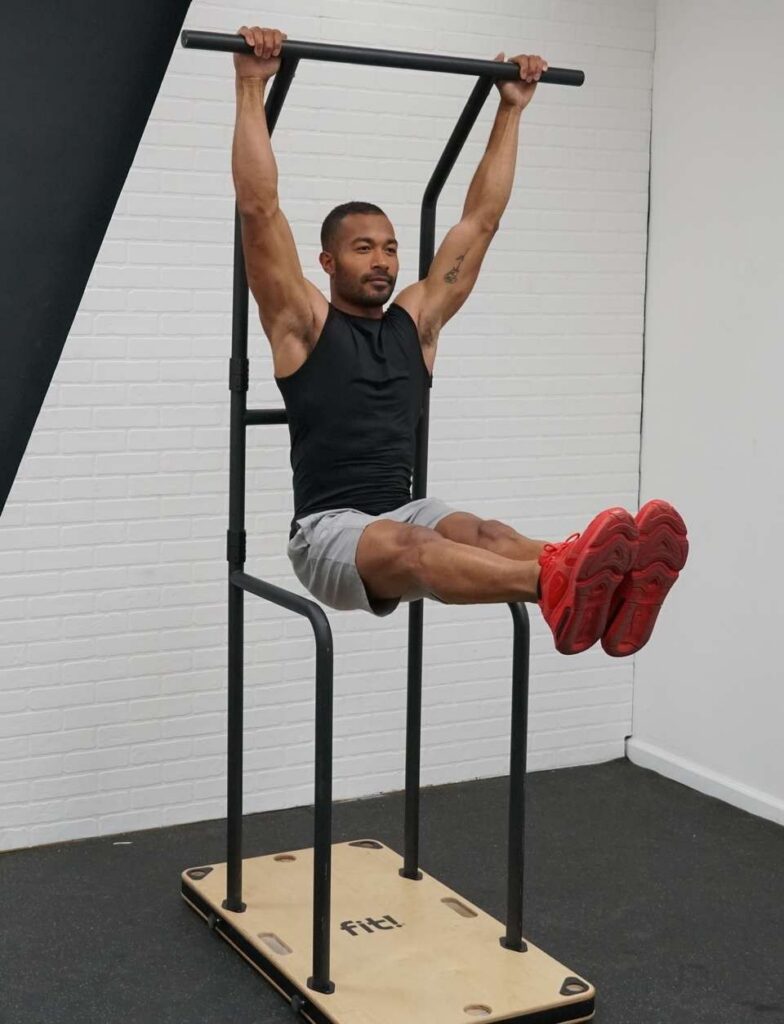
A freestanding pull-up station is a larger alternative to a doorway bar. It typically combines a pull-up bar with a supporting frame and sometimes additional stations for dips, knee raises or other exercises.
Pros
- No doorway required
- Greater exercise versatility
- Multiple grip positions
- Suitable for dedicated workout spaces
Cons
- Requires more floor space
- Usually more expensive
- Less convenient to store
- Assembly is generally required
Therefore, a freestanding station makes more sense if you have a spare room, garage or dedicated home gym.
Doorway vs Wall-Mounted vs Freestanding Pull-Up Bars
| Feature | Doorway | Wall-Mounted | Freestanding |
| Installation | Easy–moderate | Permanent | Assembly |
| Drilling | Usually no | Yes | No |
| Space required | Low | Moderate | High |
| Portability | High | Low | Moderate |
| Exercise variety | Moderate | High | High |
| Best for | Small spaces | Home gyms | Dedicated spaces |
What Is the Best Pull-Up Bar for Home?
The best pull up bar depends on your available space and how frequently you plan to use it.
Choose a Doorway Bar If:
- You have limited space
- You rent your home
- You want removable equipment
- You mainly perform pull-ups and chin-ups
Choose a Wall-Mounted Bar If:
- You have a suitable wall
- You train regularly
- You want greater stability
- You have a dedicated workout area
Choose a Freestanding Bar If:
- You have plenty of floor space
- You want several exercise options
- You cannot drill into walls
- You are building a dedicated home gym
What to Look for When Buying a Doorway Pull-Up Bar
Before buying a doorway pull up bar, check the following:
Doorway Compatibility
Measure the width and depth of your door frame. Also check whether the product requires a particular frame design.
Weight Capacity
Always check the manufacturer’s stated maximum user weight. Remember that dynamic movements can place different loads on equipment than simply hanging from the bar.
Grip Positions
Multiple grip positions can allow you to perform standard pull-ups, chin-ups and wider or narrower variations.
Padding
Foam or rubber grips can improve comfort, particularly during longer workouts.
Construction
Look for durable materials and secure locking or mounting mechanisms.
Safety
Follow the installation instructions carefully. Never exceed the stated weight limit or use equipment on an unsuitable surface.
Can You Do More Than Pull-Ups?
Yes. Depending on the design and clearance available, a pull-up bar can support:
- Pull-ups
- Chin-ups
- Hanging knee raises
- Hanging leg raises
- Dead hangs
- Scapular pull-ups
However, not every doorway bar is designed for dynamic movements or additional accessories. Always check the manufacturer’s specifications before attempting advanced exercises.
Are No-Screw Pull-Up Bars Safe?
They can be safe when correctly designed, installed and used within their stated limits. However, safety depends heavily on compatibility between the bar and doorway.
Consequently, do not assume that a no-screw design will work with every door frame. Check the manufacturer’s installation requirements before use.
Frequently Asked Questions
Are doorway pull-up bars worth it?
For users with limited space, they can provide an affordable way to add pull-ups and other bodyweight exercises to a home workout.
Do doorway pull-up bars damage doors?
Some designs can mark or damage unsuitable door frames. Check the product design and installation requirements before purchasing.
Can you build muscle with a doorway pull-up bar?
Yes. Pull-ups and chin-ups can provide effective resistance for the back, arms and shoulders. Progressively increasing repetitions or using more challenging variations can increase the training stimulus.
Is a wall-mounted pull-up bar better than a doorway bar?
They serve different needs. A wall-mounted bar can provide a more permanent and spacious setup, while a doorway bar is generally more convenient for smaller spaces.
Final Thoughts
A doorway pull up bar can be an excellent addition to a compact home workout setup, particularly when you want equipment that requires little space. Meanwhile, a wall mounted pull up bar offers a more permanent solution, while a freestanding station provides greater versatility.
Ultimately, compare compatibility, weight capacity, construction, installation and available space before buying. Choosing the right design will help you create a safer and more practical home pull-up station.
Explore more of Body Weight exercies