A bodyweight workouts uses your own body weight as resistance to build strength, improve mobility and increase fitness without requiring a gym or expensive equipment. Therefore, it can be an accessible way to exercise at home, outdoors or while travelling.
From squats and push-ups to lunges and planks, bodyweight exercises can be adapted for beginners and progressed as you become stronger. In this guide, we’ll explore the best body weight workouts, beginner routines and full-body exercises you can do at home.
- What Is a Bodyweight Workout?
- What Does a Bodyweight Workout Do?
- 10 Good Bodyweight Exercises
- Beginner Bodyweight Workout
- Full-Body Workout at Home Without Equipment
- Can You Build Muscle With Only Bodyweight?
- Is 20 Minutes of Calisthenics a Day Enough?
- What Are the Golden 5 Exercises?
- What Are the Disadvantages of Bodyweight Exercises?
- Bodyweight Workout vs Gym: Which Is Better?
- How to Make Bodyweight Workouts More Challenging
- Final Thoughts
What Is a Bodyweight Workout?
A bodyweight workout is a form of resistance training where your own body provides the resistance. Unlike traditional weight training, you don’t necessarily need dumbbells, barbells or machines.
A calisthenics workout is closely related and typically uses bodyweight movements to develop strength, coordination, flexibility and body control.
For example, exercises such as push-ups, squats, lunges, dips and planks can form the foundation of a bodyweight routine.
What Does a Bodyweight Workout Do?
A well-designed bodyweight routine can help improve:
- Muscular strength
- Core stability
- Balance and coordination
- Mobility
- Cardiovascular fitness
- Muscular endurance
Additionally, many bodyweight exercises involve several muscle groups simultaneously. Consequently, a short workout can still provide a useful full-body training session.
10 Good Bodyweight Exercises
If you’re wondering which exercises to include, these are some of the most versatile options:
1. Squats
Work your quadriceps, glutes and hamstrings while developing lower-body strength.
2. Push-Ups
A classic upper-body exercise that targets the chest, shoulders, triceps and core.
3. Reverse Lunges
Help develop unilateral leg strength, balance and coordination.
4. Glute Bridges
Target the glutes and posterior chain while being accessible to beginners.
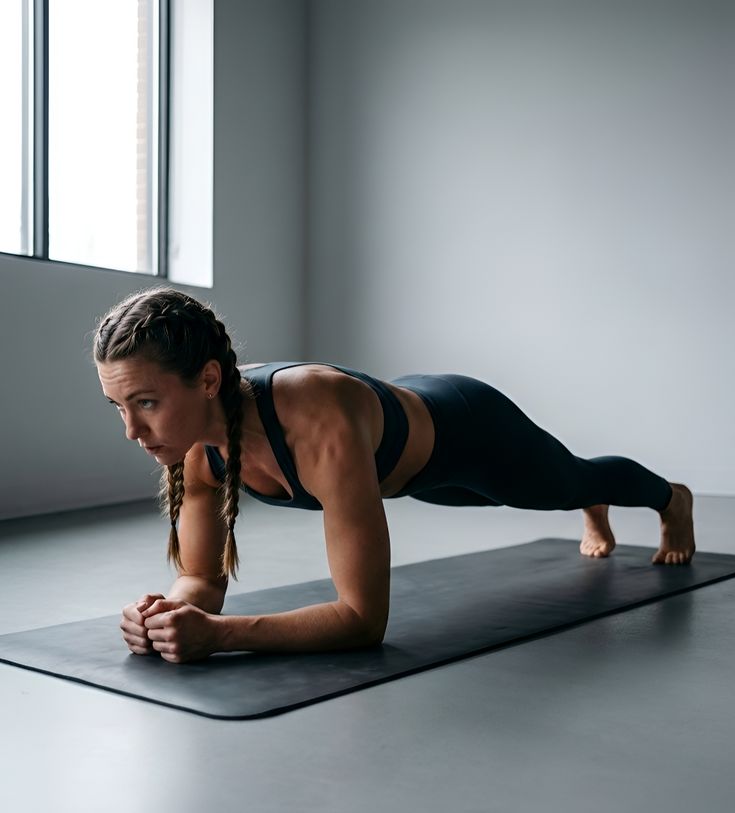
5. Planks
Build core endurance and stability.
6. Mountain Climbers
Combine core engagement with a cardiovascular challenge.
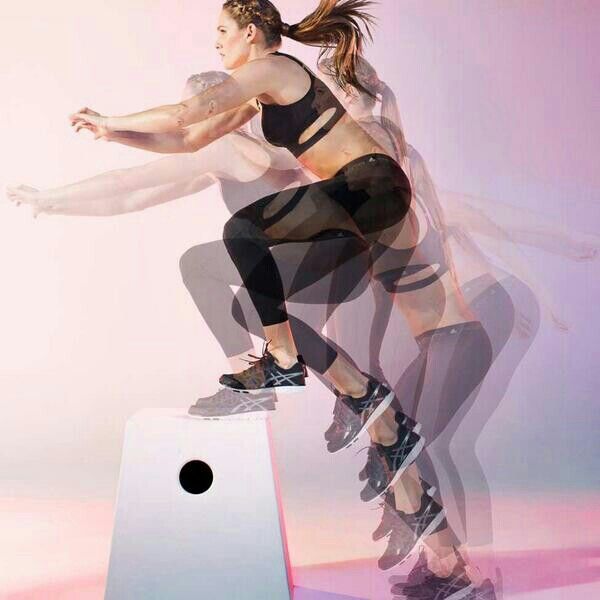
7. Step-Ups
Develop lower-body strength and balance. Use a stable, secure platform.
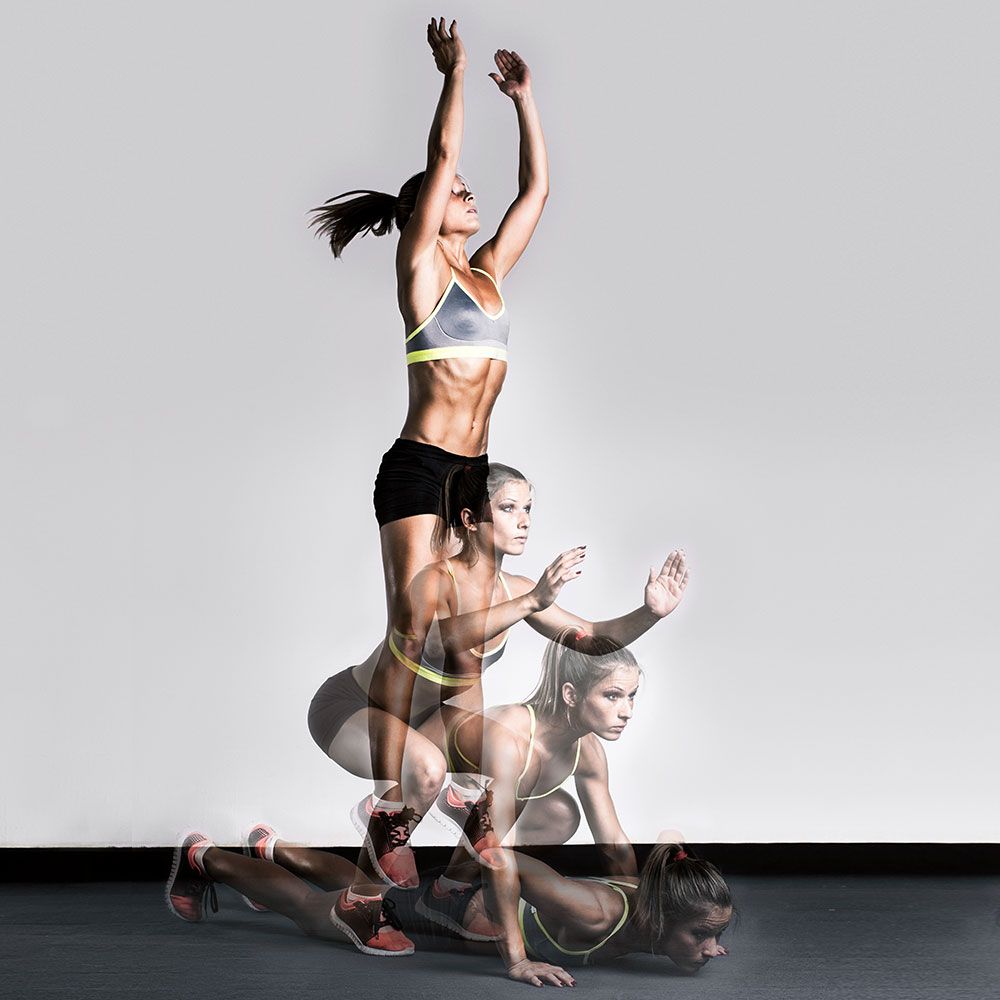
8. Burpees
Combine a squat, plank and jump for a higher-intensity full-body movement.
9. Triceps Dips
Can target the triceps and shoulders when performed using a stable surface.
10. Superman
Targets the muscles along the back and can complement core-focused exercises.
Beginner Bodyweight Workout
If you’re new to bodyweight training, start with simple movements and focus on technique rather than speed.
Try this beginner bodyweight workout:
- 10 squats
- 8 push-ups or incline push-ups
- 8 reverse lunges per leg
- 12 glute bridges
- 20-second plank
- 30 seconds of marching or step-ups
Rest for 30–60 seconds between exercises. Complete 2–3 rounds depending on your fitness level.
As you become stronger, gradually increase repetitions, rounds or exercise difficulty.
Full-Body Workout at Home Without Equipment
You don’t need a dedicated gym to complete an effective workout. A small amount of floor space can be enough.
For a simple full-body routine, combine:
Lower body: Squats and lunges
Upper body: Push-ups
Core: Planks
Posterior chain: Glute bridges
Cardio: Mountain climbers
Together, these exercises create a balanced full body workout at home without equipment.
If you have limited space, you can also modify jumping exercises into low-impact alternatives.
Can You Build Muscle With Only Bodyweight?
Yes, bodyweight training can help build muscle, particularly for beginners and intermediate exercisers.
However, muscle growth depends on factors including progressive overload, training volume, nutrition, recovery and individual characteristics.
As you become stronger, simply performing more repetitions may eventually become less challenging. Therefore, you can progress by using harder variations, increasing range of motion, slowing the movement or adding resistance.
For example, you could progress from wall push-ups to incline push-ups, standard push-ups and eventually more advanced variations.
Is 20 Minutes of Calisthenics a Day Enough?
Twenty minutes can be enough to provide a useful workout, especially when your time is limited.
For example, you could perform five exercises for three rounds, with short rest periods. However, the effectiveness of a workout depends on its intensity, exercise selection and consistency rather than duration alone.
A consistent 20-minute routine is generally more useful than an ambitious programme that you cannot maintain.
What Are the Golden 5 Exercises?
There is no single official list of “golden five” bodyweight exercises. However, a balanced routine can be built around five fundamental movement patterns:
- Squat – lower-body strength
- Push – chest, shoulders and triceps
- Pull – back and biceps
- Lunge – unilateral lower-body strength
- Core – stability and control
Pulling movements can be more difficult without equipment. Therefore, a pull-up bar or resistance bands can expand the exercises available in a home workout.
What Are the Disadvantages of Bodyweight Exercises?
Although bodyweight training has many advantages, it also has limitations.
First, progression can become difficult once basic exercises no longer provide enough resistance. Secondly, some muscle groups—particularly the back—can be harder to train effectively without equipment.
Additionally, advanced bodyweight exercises can require considerable strength and technique. Therefore, beginners should progress gradually rather than attempting difficult movements too soon.
Bodyweight Workout vs Gym: Which Is Better?
Neither is universally better. The right option depends on your goals, preferences and available resources.
| Bodyweight Training | Gym Training |
Minimal equipment required | Wide range of equipment |
Can be done almost anywhere | Access to heavier resistance |
Convenient for home workouts | Easier to progressively load muscles |
Low initial cost | Usually involves membership or equipment costs |
Excellent for beginners | Useful for advanced strength goals |
If convenience and accessibility are your priorities, bodyweight training can be highly practical. Conversely, if you want to progressively lift heavier weights or use specialised equipment, a gym can offer more options.
How to Make Bodyweight Workouts More Challenging
Once your routine becomes easier, don’t simply repeat the same workout indefinitely.
Instead, try:
- Increasing repetitions
- Adding another round
- Reducing rest periods
- Using slower repetitions
- Increasing range of motion
- Moving to a harder exercise variation
- Adding resistance bands or weights
This principle of progressive overload helps you continue challenging your muscles.
FAQs
What is the best bodyweight workout for beginners?
A beginner routine can combine squats, incline push-ups, reverse lunges, glute bridges and planks. Start with manageable repetitions and gradually increase the challenge.
Can you build muscle with only bodyweight?
Yes. Bodyweight exercises can build muscle, particularly when training provides sufficient resistance and progressive overload. More advanced exercisers may eventually benefit from additional resistance.
Is 20 minutes of calisthenics a day enough?
Twenty minutes can be an effective workout when performed consistently and at an appropriate intensity. However, overall results also depend on exercise selection, nutrition and recovery.
What are the disadvantages of bodyweight exercises?
Progressive overload can become more difficult without additional equipment, and some muscle groups can be challenging to train effectively. Nevertheless, variations and resistance bands can expand your options.
What are the five fundamental bodyweight exercises?
A balanced foundation can include squats, pushing movements, pulling movements, lunges and core exercises. There is no single official “golden five” list.
Is bodyweight training better than going to the gym?
Neither is inherently better. Bodyweight training is convenient and accessible, while gyms provide greater access to adjustable resistance and specialised equipment. Your goals should determine which approach suits you.
Final Thoughts
A bodyweight workout can be an effective and convenient way to develop strength, endurance, balance and mobility. Moreover, you can adapt exercises to suit beginners while progressively increasing the challenge as your fitness improves.
Whether you want a beginner bodyweight workout, a short 20-minute session or a complete calisthenics workout, start with fundamental movements and focus on consistent progression.
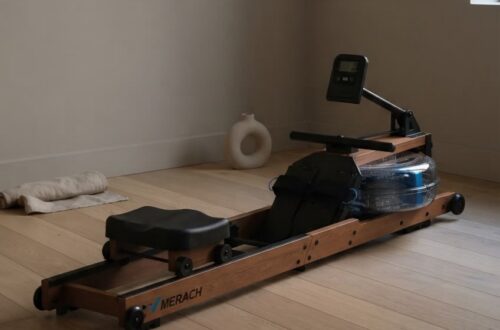
And if you eventually want more resistance, adding dumbbells, resistance bands or other home gym equipment can expand your training options.
Explore Sporto Equip’s range of fitness and home gym equipment Guide to take your workouts beyond bodyweight training.