Finding time for exercise can feel difficult when your day is already packed. Between work, family and everyday jobs, a long gym session might be the last thing on your mind. Fortunately, getting started can be much simpler. This easy daily exercise routine combines gentle movement, cardio, basic strength exercises and stretching. Allow around 20 minutes, clear a small space and work at a pace that suits you. You can begin without equipment, then add a few practical accessories as your confidence grows.
The aim is to build a habit you can keep. Follow the full routine on strength days, and swap the strength section for extra easy walking on lighter days.
1. Start with a Gentle Warm-Up
Spend five minutes easing into movement before increasing the effort. Begin by marching slowly on the spot, letting your arms swing naturally. Gradually increase your pace, then add shoulder rolls, gentle side steps and controlled heel raises.
Keep your movements comfortable. There is no need to stretch deeply or move quickly at this stage. If balance is a concern, stand near a stable chair or wall for support.
Use this time to notice how you feel. A stiff morning might call for smaller movements, while an energetic afternoon could make a slightly quicker march feel comfortable.
For the floor exercises later, a Yoga Foam Mat provides cushioning and a textured surface. Lay it flat on a clear floor before starting.
2. Add Five Minutes of Simple Cardio
Next, choose an activity that gets you moving continuously. Brisk walking, marching indoors or dancing to your favourite songs are straightforward options. Pick something enjoyable enough to repeat tomorrow.
Begin with five minutes and adjust the pace to your ability. For moderate activity, the NHS suggests using the talk test: you should still be able to talk, although singing would be difficult. Slow down if the effort feels too demanding.
Try alternating one minute of quicker marching with one minute of easier movement. Keep your steps controlled and avoid rushing.
You do not need a machine or a large room. A clear hallway, a short outdoor route or space beside the sofa can work. As this becomes easier, gradually extend your walking time rather than changing everything at once.
3. Practise a Short Strength Circuit
On two non-consecutive days each week, spend about five minutes practising these movements:
- Chair squats: Sit back towards a sturdy chair, touch down gently, then stand. Try six to eight repetitions.
- Wall push-ups: Place your hands on a wall at shoulder height. Bend your elbows to bring your chest closer, then push away. Try six to eight repetitions.
- Standing calf raises: Hold a stable support, lift your heels slowly, then lower them. Try eight to ten repetitions.
Rest between exercises and prioritise steady technique. Start with one round; repeat only if you have time and feel comfortable.
Once bodyweight movements feel manageable, explore Resistance Bands Set or Amazon Basics Dumbbells. Both are listed on the website with Amazon buying links. Choose resistance you can control and follow the equipment instructions.
On lighter days, replace this circuit with five minutes of easy walking.
4. Finish with Comfortable Stretches
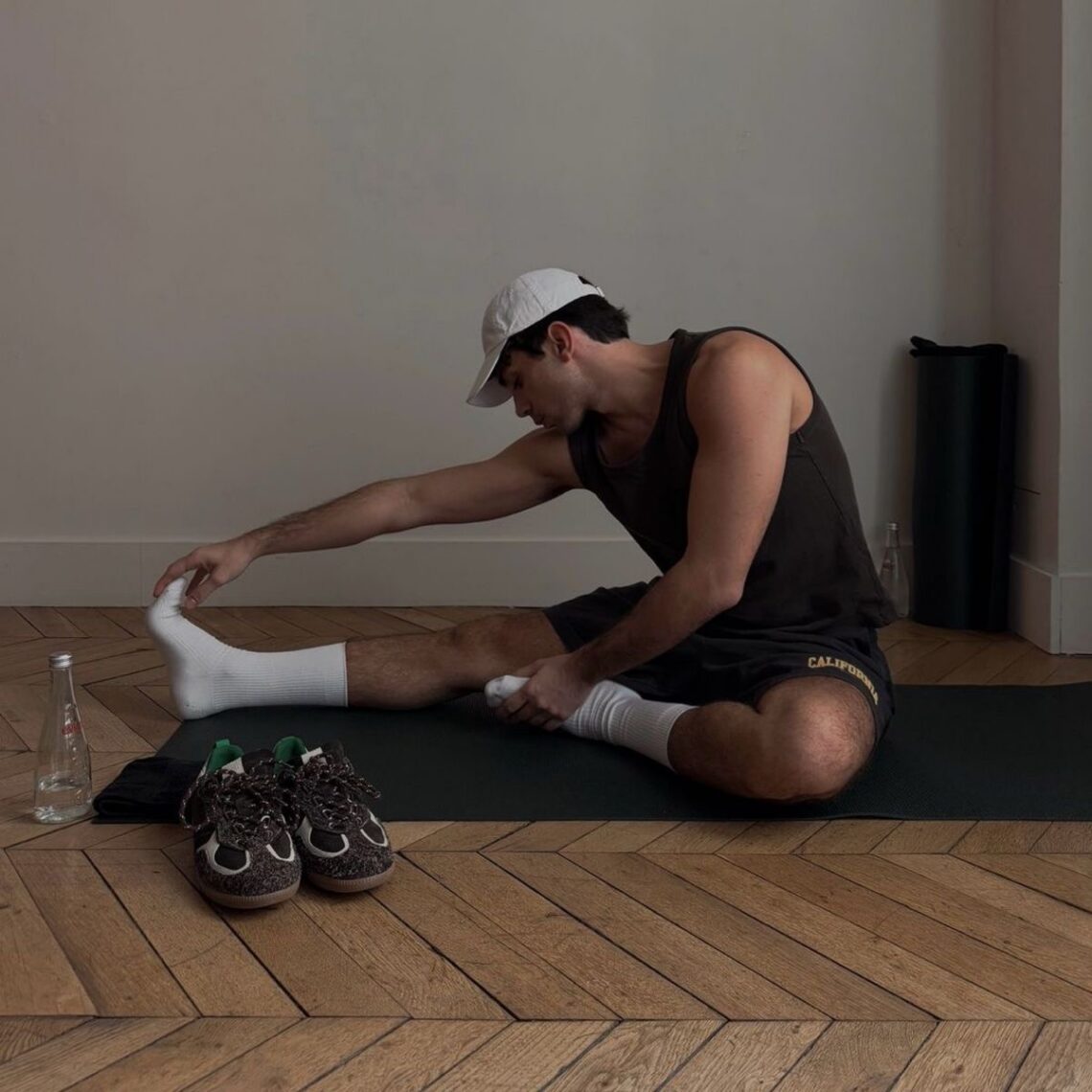
Allow three minutes to slow down and stretch gently. Walk slowly first, then try a calf stretch against a wall, a seated hamstring stretch and a gentle shoulder stretch.
For the seated hamstring stretch, sit towards the front of a sturdy chair. Extend one leg with your heel on the floor, keep your back long and lean forward slightly from your hips.
Hold each comfortable stretch for around 15 to 20 seconds. Breathe normally, avoid bouncing and stop if you feel pain. You are looking for mild tension, not the deepest position possible.
Yoga Stretch Straps are an optional accessory; keep any stretch gentle rather than using a strap to force extra range.
5. Make Tomorrow’s Session Easy
Use the final two minutes to put equipment away, note what you completed and choose your next exercise time. Linking movement to an existing habit, such as finishing work or making morning tea, gives you a clear reminder.
Keep a simple record of your walking minutes or completed sessions. If you miss a day, return to your usual routine when you can.
This short session is a starting point. The NHS recommends at least 150 minutes of moderate activity weekly, plus strengthening activities covering all major muscle groups on at least two days. Build towards this gradually with longer walks and a broader strength routine.
Choose manageable movement today, then give yourself the chance to repeat it tomorrow.
Looking for an extra read? check out this blog post on The best home gym equipment to have.