- What Is the Best Yoga Mat That Doesn't Slip?
- Which Yoga Mat Has the Best Grip?
- Why Do My Hands Always Slip on My Yoga Mat?
- Why Does My Yoga Mat Keep Slipping?
- Best Non-Slip Yoga Mat for Hot Yoga
- Rubber vs Foam Yoga Mat: Which Is Better?
- Is a 3mm or 5mm Yoga Mat Better?
- How Much Thickness Is Best for a Yoga Mat?
- What Is a Non-Slip Gym Mat?
- What Are Common Yoga Mat Mistakes?
- Where Can I Find Non-Slip Yoga Mats in the UK?
- Final Verdict: Which Non-Slip Yoga Mat Should You Buy?
An anti slip yoga mat can make your practice more comfortable, stable and confident, especially if you experience sweaty hands or regularly practise hot yoga. The right mat should provide reliable grip for your hands and feet while staying firmly in place on the floor.
With so many materials, thicknesses and surface textures available, choosing the right non slip yoga mat can be confusing. In this buying guide, we compare rubber and foam mats, 3mm and 5mm thicknesses, and different grip options to help you find the best slip resistant yoga mat for your practice.
What Is the Best Yoga Mat That Doesn’t Slip?
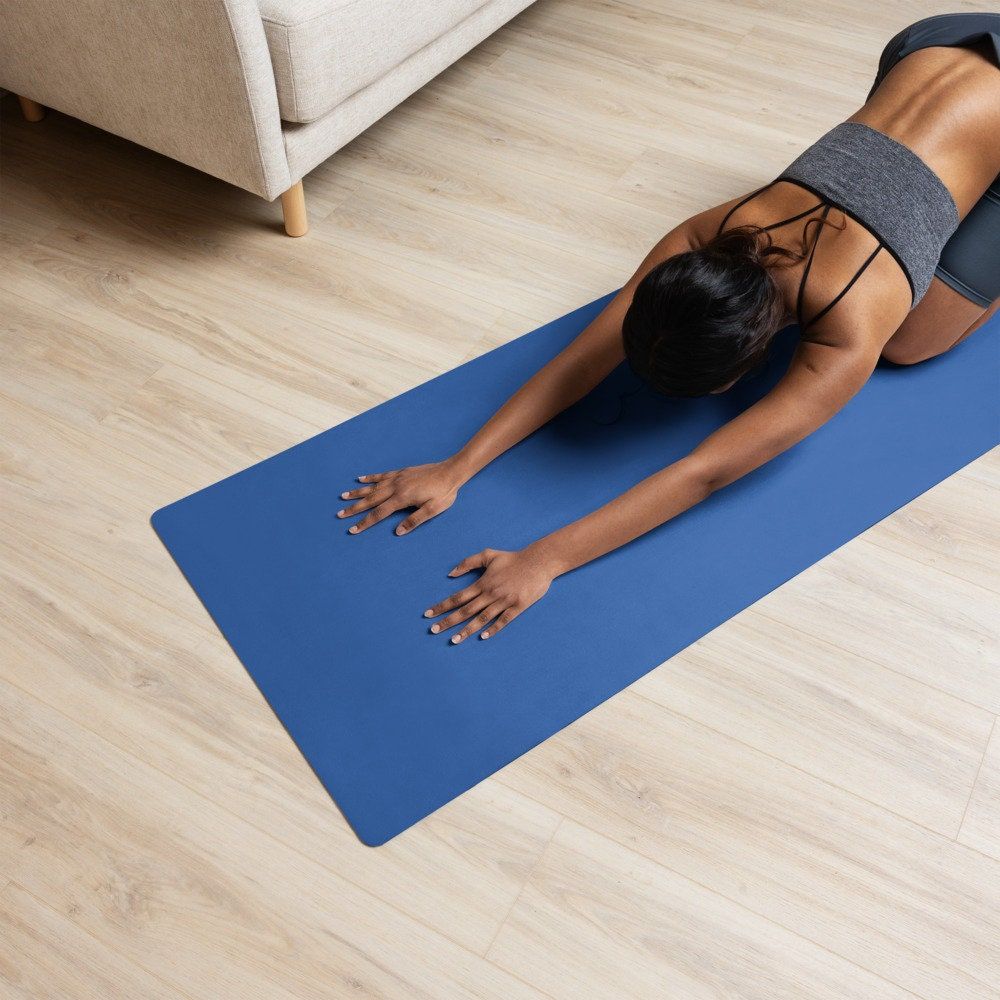
The best yoga mat that doesn’t slip should have a high-grip surface, good floor stability and a material suited to your practice.
For hot yoga or sweaty hands, look for a mat specifically designed to maintain traction when moisture is present. Natural or synthetic rubber mats are often popular because they can provide strong grip and stability.
If your main concern is the mat sliding across the floor, look for a stable, textured underside designed to grip the surface beneath it.
Which Yoga Mat Has the Best Grip?
Grip varies considerably between yoga mats. Generally, rubber and textured performance mats are strong choices if grip is your priority.
When comparing mats, look at:
- Surface texture
- Material
- Wet-grip performance
- Floor grip
- Thickness
- Durability
For people who experience sweaty palms, a non slip yoga mat for sweaty hands should be designed to maintain traction rather than becoming excessively slippery when wet.
Why Do My Hands Always Slip on My Yoga Mat?
There are several possible reasons your hands may slip.
Your mat may have a smooth surface that provides limited traction when wet. Sweat, body lotion or oils on your hands can also reduce grip. Some mats may also lose their original texture as they become worn.
If slipping happens regularly, consider switching to a slip resistant yoga mat with a more suitable surface texture.
A yoga towel can also provide additional grip during particularly sweaty sessions.
Why Does My Yoga Mat Keep Slipping?
If the entire mat moves rather than your hands and feet, the problem may be the underside of the mat or the floor beneath it.
Dust, moisture and other debris can reduce traction between the mat and floor. Clean both surfaces regularly and make sure the mat is placed on a suitable, dry surface.
For extra stability, choose a mat with a non-slip underside and sufficient weight to remain securely positioned during movement.
Best Non-Slip Yoga Mat for Hot Yoga
Hot yoga creates a particularly demanding environment for a yoga mat because heat and sweat can affect grip.
The best non slip yoga mat for hot yoga should provide strong traction and remain stable when exposed to moisture.
Rubber-based and performance-focused mats are worth considering, particularly if you regularly practise heated yoga.
Rubber vs Foam Yoga Mat: Which Is Better?
The choice between rubber and foam depends on your priorities.
| Feature | Rubber Yoga Mat | Foam Yoga Mat |
| Grip | Generally excellent | Usually moderate |
| Stability | Excellent | Good |
| Cushioning | Moderate to good | Usually higher |
| Durability | Generally high | Varies |
| Hot Yoga | Often suitable | Depends on material |
| Weight | Usually heavier | Usually lighter |
If grip and stability are your priorities, rubber is often the better choice. Foam can be preferable if you want a lighter mat with softer cushioning.
Is a 3mm or 5mm Yoga Mat Better?
Neither thickness is automatically better. Your choice should depend on your practice and personal comfort.
3mm Yoga Mat
A 3mm mat provides a closer connection to the floor and can offer greater stability during balancing and standing poses. It is also generally easier to transport.
5mm Yoga Mat
A 5mm mat provides additional cushioning and can be more comfortable for kneeling, seated poses and floor-based exercises.
If you primarily practise dynamic yoga and want stability, 3mm may be preferable. If cushioning is more important, 5mm may be the better option.
How Much Thickness Is Best for a Yoga Mat?
For most people, 3–5mm provides a useful balance between cushioning and stability.
Consider your practice, flooring and personal comfort before choosing. If you practise on hard floors or experience discomfort around your knees, additional cushioning may be useful.
However, a very thick mat isn’t always better. Excessive cushioning can make balancing exercises feel less stable.
What Is a Non-Slip Gym Mat?
A non slip gym mat is designed to provide a stable surface for exercise and fitness activities. While yoga mats are specifically designed around yoga movements, gym mats can be thicker and more durable for activities such as strength training, stretching and general workouts.
If you use your mat for both yoga and home workouts, consider how much cushioning, grip and durability you need.
What Are Common Yoga Mat Mistakes?
Avoid these common mistakes when buying or using a yoga mat:
Choosing cushioning over stability
A thicker mat isn’t automatically better. Choose thickness based on your practice.
Ignoring grip
If your hands frequently slip, prioritise surface traction rather than appearance.
Buying without considering hot yoga
If you sweat heavily, choose a mat designed to maintain grip when wet.
Not cleaning your mat
Sweat, oils and dirt can affect the surface over time. Follow the manufacturer’s cleaning instructions.
Choosing the wrong size
Make sure the mat is long and wide enough for your body and movements.
How to Choose the Best Slip-Proof Yoga Mat
Before buying a slip proof yoga mat, consider these five factors:
1. Grip: Look for a surface designed to provide reliable traction.
2. Material: Rubber can be an excellent choice for grip and stability.
3. Thickness: Choose around 3mm for stability or 5mm for additional cushioning.
4. Practice: Hot yoga requires different grip considerations from gentle yoga.
5. Maintenance: Check how easily the mat can be cleaned and maintained.
Where Can I Find Non-Slip Yoga Mats in the UK?
If you’re shopping for a non slip yoga mat UK customers can use at home or in the studio, compare the material, dimensions, thickness and grip before purchasing.
Sporto Equip can provide an opportunity to compare yoga and fitness equipment based on your practice, available space and workout requirements.
Final Verdict: Which Non-Slip Yoga Mat Should You Buy?
The right anti slip yoga mat depends on how you practise.
For hot yoga and sweaty hands, prioritise strong wet grip and a stable surface. For balance-focused yoga, a thinner 3mm mat may provide greater stability. If cushioning is important, a 5mm mat can offer additional comfort.
Ultimately, the best slip resistant yoga mat is one that combines the grip, thickness, material and cushioning that match your individual practice.
Explore Sporto Equip’s range of yoga mats and fitness equipment to find the right option for your workouts.