Weightlifting can feel intimidating when you are unfamiliar with the equipment or unsure where to begin, that’s why this Women’s weightlifting guide can build a useful routine with a few basic movements and manageable weights.
This guide explains how to choose training equipment, organise your workouts and progress gradually. Whether you train at home or visit a gym, start with exercises you can perform confidently.
Your starting weight should reflect your strength and experience. Choose equipment that fits your hands, available space and training goals.
Why Start Weightlifting?
Strength training can help build muscle, maintain strength and support bone health. It can also make everyday activities, such as carrying shopping or lifting luggage, feel more manageable.
You do not need to chase a particular appearance to benefit from lifting. Setting practical goals gives your workouts a clear purpose.
Perhaps you want to complete your first controlled squat, increase your rowing weight or establish two weekly sessions. Choose something measurable that matters to you.
The NHS recommends strengthening activities covering all major muscle groups on at least two days each week.
Choose Three Useful Training Essentials
You can start with bodyweight exercises before buying equipment. When you are ready, these Women’s weightlifting guide Amazon-linked products offer useful options.
Adjustable dumbbells
Adjustable Dumbbell Weights let you change resistance using removable plates. This makes them useful when different exercises require different loads.
For example, your squat might need more resistance than your shoulder press. Check the assembled starting weight, available increments and fastening instructions before buying. Plate weight alone does not represent the complete dumbbell weight.
An exercise mat
The Yoga Foam Mat provides cushioning for floor exercises, including glute bridges and controlled core movements.
Place it on a clear, level surface. Perform standing lifts on firm footing where you can maintain balance comfortably.
An optional adjustable bench
The WINNOW Adjustable Weight Bench offers adjustable positions and a folding design.
It can provide support for dumbbell presses and supported rows. You can introduce it later as your routine develops. Check its dimensions, locking mechanisms and total load limit before use.
Learn the Main Movement Patterns
Build your routine around movements that work different areas of your body.
A squat involves bending your hips and knees, then standing again. Practise sitting towards a sturdy chair before adding weight.
A hip hinge involves moving your hips backwards while maintaining a controlled back position. Learn this movement without weights before attempting dumbbell Romanian deadlifts.
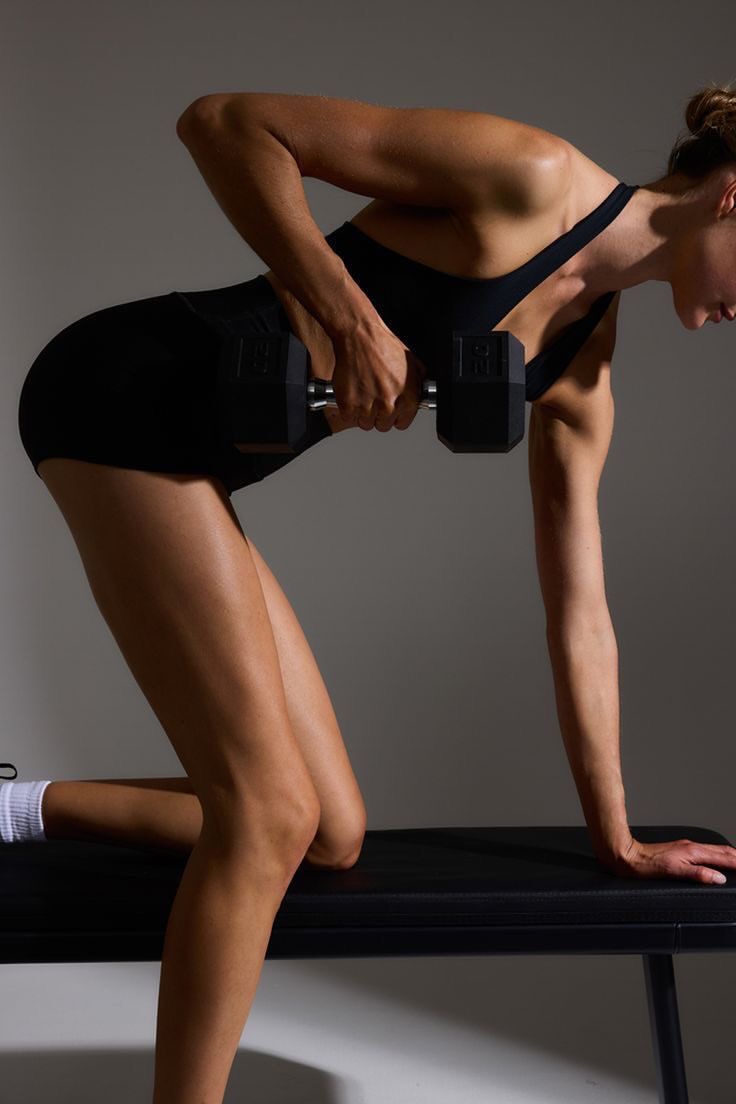
A row brings a weight towards your torso. A press moves resistance away from you.
Include a simple core exercise, such as a dead bug, to practise trunk control. A qualified trainer can demonstrate these movements and help you choose suitable variations.
Try This Beginner Workout
Schedule two sessions on non-consecutive days, such as Monday and Thursday. Begin each session with five to ten minutes of easy movement and exercise-specific practice.
Try this Women’s weightlifting guide starting routine:
- Chair squat or light goblet squat: One set of 8–12 repetitions.
- Light dumbbell Romanian deadlift: One set of 8–12 repetitions after learning the hip hinge.
- Supported dumbbell row: One set of 8–12 repetitions per side.
- Wall push-up or light dumbbell floor press: One set of 8–12 repetitions.
- Dead bug: One set of 5–8 controlled repetitions per side.
Rest for around one to two minutes between exercises, extending this when needed. Treat these numbers as a starting framework.
Begin with a load you can control throughout the movement. Finish the set before your technique deteriorates.
One set per exercise can be a useful starting point. Add further sets gradually when your recovery and technique allow.
Progress Without Rushing
Record your exercises, weights and repetitions after each session. This makes progress easier to recognise and helps you plan your next workout.
When you consistently reach the top of your repetition range with steady technique, consider a small weight increase. Return to fewer repetitions while adjusting to the new resistance.
Increase one element at a time. You might add repetitions, increase weight or introduce another set.
Avoid comparing your dumbbells with someone else’s. Your progress depends on your starting point, consistency and recovery.
Make Recovery Part of Your Routine
Allow recovery between sessions targeting the same muscles. Prioritise regular sleep, balanced meals and enough fluid throughout the day.
Muscle soreness can occur after unfamiliar exercise, but it is not a measure of workout quality. Stop if an exercise causes sharp pain.Start with manageable sessions and equipment you can use confidently. With regular practice, this Women’s weightlifting guide can become a rewarding part of your weekly routine.
Looking for an extra read? check out this blog on the best training shoes to wear when weightlifting, or this one on The best weightlifting guide