
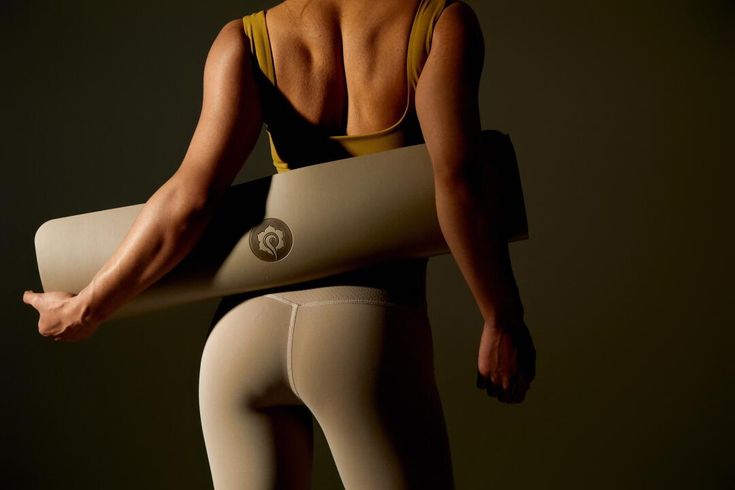
Pilates is a low-impact form of exercise built around controlled movement, breathing, balance and core strength. It can be practised almost anywhere, making it an excellent option for anyone who wants to become stronger and more mobile without joining a gym if the is you? pilates at home for beginners is what your needing.
You do not need to be flexible or own expensive equipment to begin. A clear space, comfortable clothing and a supportive exercise mat are enough for your first session. This guide explains the basics, recommends useful equipment and provides a simple routine you can try at home.
What Is Pilates?
This pilates at home for beginners advises to use slow, precise movements to strengthen the muscles that support your spine and pelvis. Although it is often associated with the abdominal muscles, a balanced session can also work your back, hips, glutes, legs, shoulders and arms.
Unlike a fast-paced circuit workout, Pilates places greater emphasis on the quality of each repetition. You will normally be encouraged to control your breathing, maintain good alignment and move without relying on momentum.
.
What Equipment Do You Need?
Most beginner exercises use body weight, so avoid buying an entire home studio before your first class. Start with a mat and introduce small pieces of equipment as your confidence improves.
Here are five useful product options for beginners:
- Exercise mat: A thicker mat can cushion your spine, knees and hips during floor exercises. The pilates mad core fitness mat is an example designed for Pilates-style floor work.
- Resistance bands: Loop bands add adjustable resistance to leg, hip and glute exercises. The Gritin resistance bands include several resistance levels, allowing you to progress gradually.
- Pilates ring: Sometimes called a magic circle, a ring can provide feedback and gentle resistance during inner-thigh, arm and core exercises. Consider the ProBody Pilates Ring
- Small Pilates ball: A soft ball can support your body, encourage controlled muscle engagement or make familiar movements more challenging. The Core Balance 23cm Pilates Ball is a compact option for home sessions.
- Foam roller: A roller is not essential for Pilates, but it can be useful for warm-ups, mobility work and post-workout relaxation. This ELT 2-in-1 Foam Roller Set offers two textures.
Product prices, specifications and availability can change, so check each listing before ordering.
How to Prepare Your Workout Space
Choose an area where you can lie down with your arms and legs extended without hitting furniture. The floor should be level, with enough grip to prevent your mat from sliding.
Place your phone or laptop where you can see an instructor without repeatedly twisting your neck. Keep water nearby, silence distractions and allow enough time to move without rushing. Bare feet or grip socks usually provide better control than ordinary socks.
A Simple Beginner Pilates Routine
Try this introductory routine two or three times per week. Move slowly and complete six to ten controlled repetitions of each exercise.
1. Pilates Breathing
Lie on your back with your knees bent and feet flat. Place your hands around the sides of your ribcage. Inhale through your nose and feel your ribs expand. Exhale slowly while gently drawing your lower abdomen inwards. Avoid holding your breath or forcing your back into the floor.
2. Pelvic Tilts
Remain on your back with your knees bent. As you exhale, gently tilt your pelvis so that your lower back moves towards the mat. Inhale as you return to a neutral position. Keep the movement small and controlled.
3. Knee Folds
Maintain a neutral spine and slowly lift one foot until the knee is above the hip. Lower it without allowing your pelvis to rock, then change sides. Make the exercise easier by lifting the foot only a short distance.
4. Glute Bridges
Press through your feet and gradually lift your hips, creating a gentle line from your shoulders to your knees. Pause briefly before lowering your spine towards the mat. Keep your knees pointing forwards rather than allowing them to fall outwards.
5. Clams
Lie on your side with your knees bent and your hips stacked. Keeping your feet together, lift your top knee without rolling your pelvis backwards. Lower it slowly and repeat before changing sides.
6. Bird Dog
Begin on your hands and knees. Extend one leg behind you while keeping your back steady. If you feel balanced, extend the opposite arm. Return to the starting position and change sides. Imagine balancing a glass of water on your lower back.
Finish with a few minutes of relaxed breathing and gentle stretching.
How Often Should Beginners Practise?
Two or three 15–30-minute sessions per week provide a realistic starting point. Consistency is more valuable than completing one exhausting workout and then avoiding exercise for several days.
During your first two weeks, focus on breathing and technique. You can then add repetitions, extend sessions or introduce light resistance. pilates at home for beginners should feel challenging, but the movements should remain controlled.
Common Beginner Mistakes
Rushing is the most common error. Moving quickly may reduce control and allow stronger muscles to take over. Other mistakes include holding your breath, straining your neck, forcing your back flat and choosing exercises that are too advanced.
Do not judge your progress by how dramatically you can move. A smaller movement performed with good alignment is more useful than a large, uncontrolled one.
Staying Safe
Stop if you experience sharp pain, dizziness or unusual shortness of breath. Muscle effort is normal, but joint or nerve pain should not be ignored. If you are pregnant, recovering from surgery, managing an injury or living with a health condition, ask a qualified healthcare professional whether Pilates is appropriate for you.
When possible, begin with a qualified instructor who can check your technique. Once you understand the fundamentals, home Pilates becomes a convenient and sustainable addition to your training routine.
Start Small and Stay Consistent
pilates at home for beginners does not require perfect flexibility or complicated equipment. Begin with simple movements, practise regularly and treat control as more important than speed. With patience, your home sessions can help you build a stronger foundation for everyday movement and other sports.
Unsure on what to wear or best brands – check out previous blog


Leave a Reply