
- What Is the Best Home Gymnastics Equipment?
- What Gymnastics Equipment Can I Use at Home?
- What Do You Need for Gymnastics at Home?
- What Is the Best Gymnastics Bar for Home Use?
- What Is the Best Gymnastics Mat for Home Use?
- What Can You Use Instead of a Gymnastics Mat?
- What Is the Best Gymnastics Equipment for a 10-Year-Old?
- What Age Is Best to Start Gymnastics?
- What Are the Basic Equipment Needed for Gymnastics?
- What Are the Seven Types of Gymnastics?
- What Is a Good Gift for a Child Who Loves Gymnastics?
- How to Choose Home Gymnastics Equipment
- Final Thoughts
Home gymnastics equipment makes it easier to practise basic skills, improve flexibility and build strength without always travelling to a gymnastics centre. Whether you’re setting up a dedicated training area or simply creating a small space at home, the right equipment can make practice more convenient and enjoyable.
However, choosing gymnastics equipment can be difficult because there are many options available. Therefore, this guide compares essential equipment such as rubber gym mats, parallel bars, gymnastics bars for home and balance beams for home, while explaining what beginners and young gymnasts actually need.
What Is the Best Home Gymnastics Equipment?
The best equipment depends on the gymnast’s age, ability, available space and training goals. For most home setups, however, a quality gymnastics mat should come first because it provides cushioning and a safer surface for practising basic movements.
You can then add equipment such as:
- Gymnastics bars
- Balance beams
- Parallel bars
- Training blocks
- Folding mats
- Handstand trainers
- Gymnastics Rings
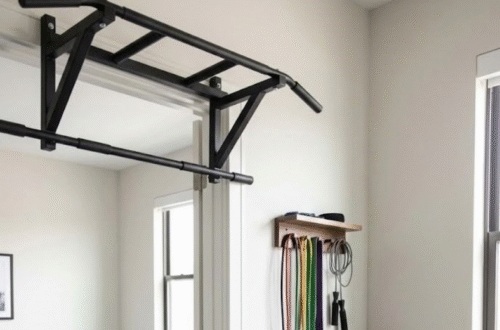
There are several types of equipment suitable for home practice. A gymnastics bar for home can help develop strength, coordination and basic bar skills, while a balance beam for home can be used to practise balance and movement.
What Gymnastics Equipment Can I Use at Home?
Meanwhile, parallel bars can support strength exercises, balance drills and gymnastics skills.
For younger children, however, equipment should be age-appropriate, stable and used with appropriate supervision.
What Do You Need for Gymnastics at Home?
You don’t need to recreate a professional gymnastics facility at home. Instead, start with the essentials.
1. Gymnastics Mat
A quality mat provides cushioning and creates a defined practice area. Look for a durable surface, suitable thickness and enough space for the movements being practised.
2. Gymnastics Bar
A home gymnastics bar can provide opportunities to practise hanging, swinging and basic bar movements. Choose a stable model designed specifically for home use.
3. Balance Beam
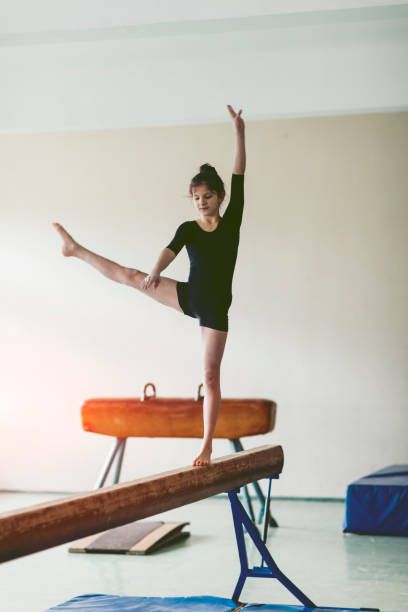
A balance beam for home can help children develop coordination and balance. For beginners, a low or floor-level beam is generally more practical than a high beam.
4. Parallel Bars
Parallel bars can be useful for strength and balance exercises. However, they require sufficient space and a stable surface.
What Is the Best Gymnastics Bar for Home Use?
The best gymnastics bar for home use should be stable, appropriately sized and suitable for the user’s ability level.
When comparing gymnastics bars, consider:
- Maximum user weight
- Height adjustability
- Base stability
- Available space
- Construction materials
- Safety features
For children, choose equipment designed specifically for their size and ability rather than simply choosing the largest or most advanced option.
What Is the Best Gymnastics Mat for Home Use?
The best gymnastics mat for home use should provide sufficient cushioning while remaining stable during movement.
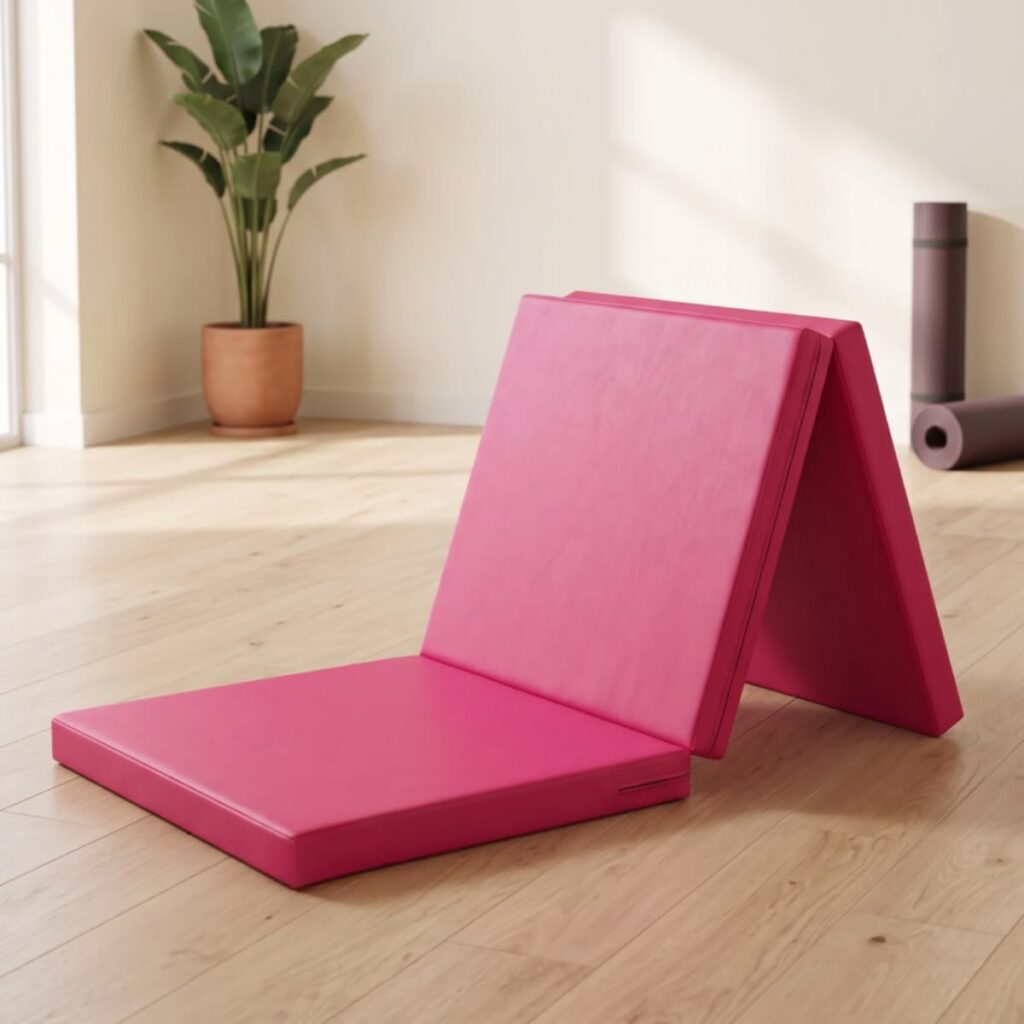
Rubber gym mats can be useful for creating a durable, non-slip workout surface. However, for tumbling and activities involving falls, a dedicated gymnastics folding or landing mat may provide more appropriate cushioning.
When choosing a mat, consider thickness, dimensions, material, portability and the type of gymnastics being practised.
What Can You Use Instead of a Gymnastics Mat?
If you don’t have a gymnastics mat, a thick exercise mat can provide some cushioning for low-impact exercises. However, ordinary household carpets or thin yoga mats should not be treated as substitutes for proper gymnastics safety equipment, particularly for tumbling, jumping or skills involving falls.
Therefore, if a child is regularly practising gymnastics at home, investing in a suitable gymnastics mat is a better option.
What Is the Best Gymnastics Equipment for a 10-Year-Old?
For a 10-year-old, the best equipment depends on their experience and the skills they are learning.
A suitable setup might include:
- A quality gymnastics mat
- A low or adjustable gymnastics bar
- A beginner-friendly balance beam
- Resistance bands
- Training blocks
If the child already attends gymnastics classes, consider choosing equipment that complements what their coach recommends.
What Age Is Best to Start Gymnastics?
There isn’t one perfect age to start gymnastics. Children can begin with age-appropriate movement and gymnastics activities when they are young, while structured classes often become more focused as children develop coordination and strength.
Importantly, 7 is not too late to start gymnastics. Children can begin at seven or later and still develop flexibility, strength, coordination and gymnastics skills. Progress will depend on consistency, ability and the type of gymnastics they pursue.
What Are the Basic Equipment Needed for Gymnastics?
For beginners, the basic equipment can be relatively simple. A suitable mat is usually the most useful starting point. After that, you can add a gymnastics bar, balance beam or parallel bars depending on the gymnast’s goals.
Consequently, you don’t need to purchase every piece of equipment at once.
What Are the Seven Types of Gymnastics?
The seven disciplines recognised by the international governing body include:
- Artistic gymnastics
- Rhythmic gymnastics
- Trampoline gymnastics
- Aerobic gymnastics
- Acrobatic gymnastics
- Tumbling
- Parkour
The equipment required varies considerably between disciplines. Therefore, identify the type of gymnastics before investing in specialist equipment.
What Is a Good Gift for a Child Who Loves Gymnastics?
If you’re looking for a gymnastics-related gift, consider something that supports their interests without taking up too much space.
Good options include a gymnastics mat, balance beam, training accessories, resistance bands or a suitable home gymnastics bar.
For younger children, however, safety and age suitability should always come before appearance or advanced features.
How to Choose Home Gymnastics Equipment
Before buying, consider these five factors:
Safety: Choose stable, appropriately designed equipment.
Space: Measure your available area before purchasing large equipment.
Age: Select equipment suitable for the user’s size and development.
Skill level: Beginners don’t necessarily need advanced equipment.
Quality: Prioritise durable construction and reliable materials.
Final Thoughts
The best home gymnastics equipment depends on the gymnast, their goals and the space available. Start with a quality mat and then gradually introduce gymnastics bars for home, parallel bars and a balance beam for home as their skills develop.
Most importantly, choose equipment that is age-appropriate, stable and designed for its intended use. With the right setup, home practice can complement structured gymnastics training while making exercise more accessible and enjoyable.
Explore other Home Gym products and Guides