Yoga is a movement practice made up of a series of asanas, or yoga poses, that can support flexibility, mobility, balance and mental well being. While some yoga poses can be challenging, many are simple enough for beginners to learn and practice at home.
Yoga does not need to be complicated or intense to be beneficial. A series of simple yoga exercises can be incorporated into an easy everyday yoga routine and adapted for different ages and levels of flexibility. With the right modifications, yoga can also be a gentle form of movement for older adults.
15 Easy Yoga Poses for Beginners
Here are 15 easy yoga poses for beginners that can be incorporated into your daily routine. Practice each pose slowly, focus on your breathing and avoid forcing your body into a position that feels uncomfortable.
1. Mountain Pose
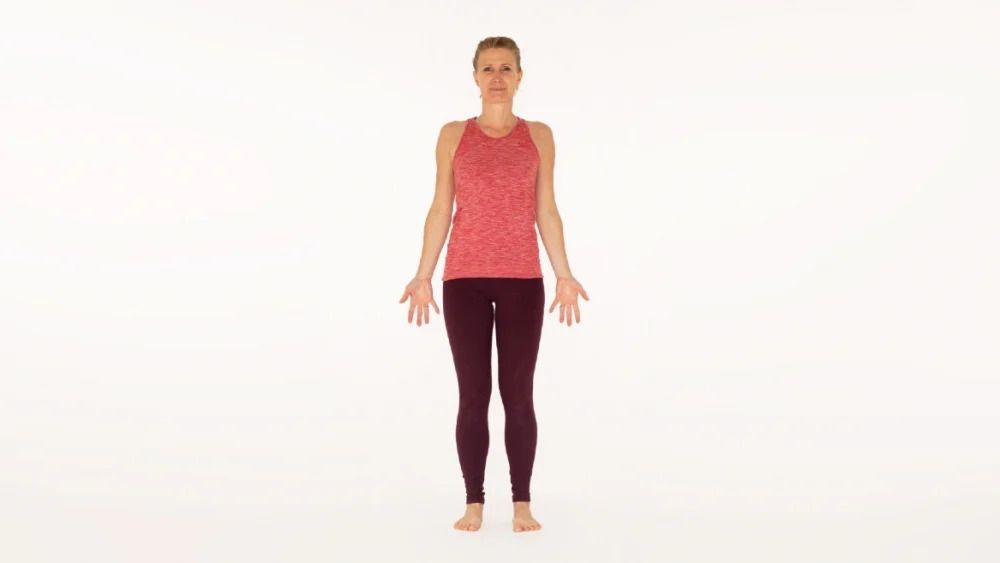
Main benefit: Improves posture, body awareness and focus.
Stand tall with your feet grounded and your spine comfortably straight. Relax your shoulders, breathe steadily and focus on maintaining a stable posture.
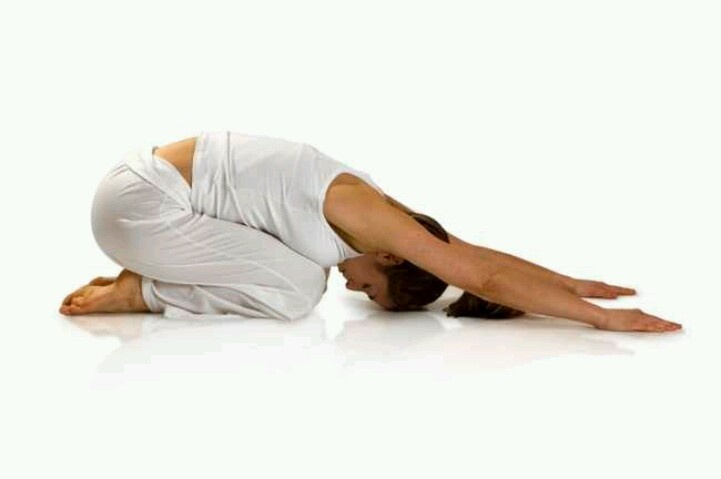
2. Child’s Pose
Main benefit: Gently stretches the back, hips and glutes while encouraging relaxation.
Kneel and lower your hips towards your heels before folding your upper body forward. Use a cushion or widen your knees if needed for comfort.
3. Cat-Cow Stretch
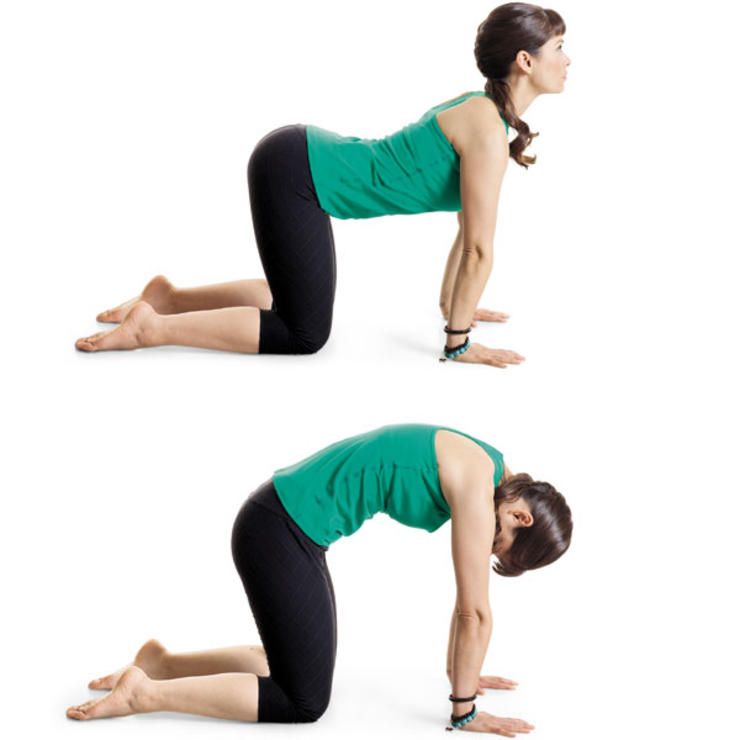
Main benefit: Mobilises the spine and gently stretches the back.
Start on your hands and knees. Alternate between gently rounding your spine and lifting your chest while coordinating the movement with your breath.
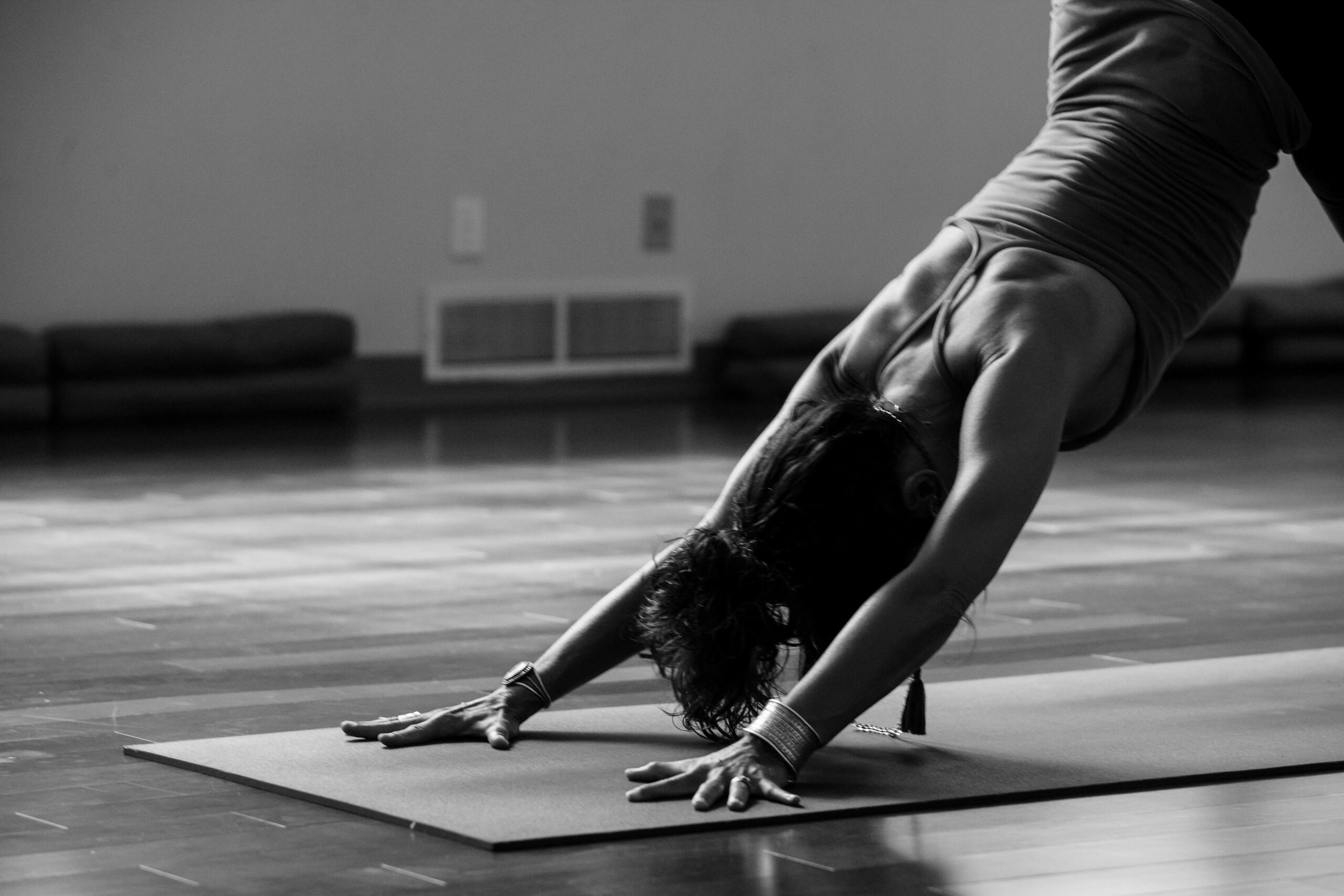
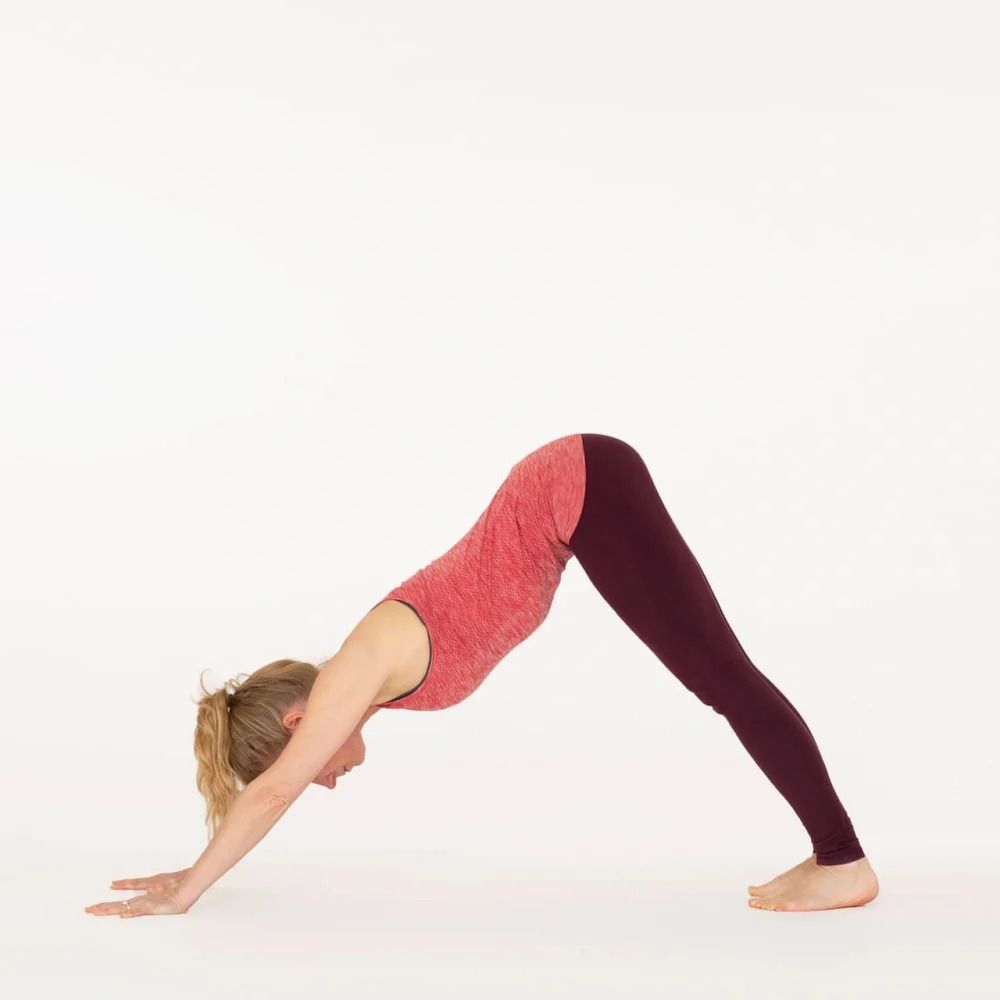
4. Downward-Facing Dog
Main benefit: Mobilises the spine and gently stretches the back.
Start on your hands and knees. Alternate between gently rounding your spine and lifting your chest while coordinating the movement with your breath.
5. Cobra Pose
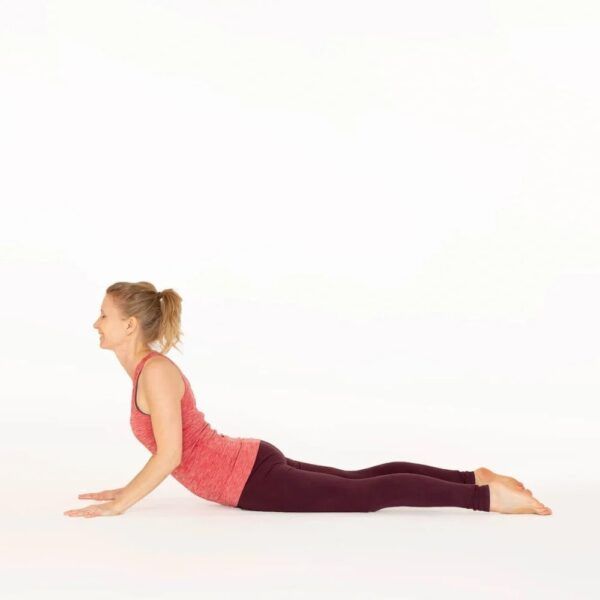
Main benefit: Mobilises the spine and gently stretches the back.
Start on your hands and knees. Alternate between gently rounding your spine and lifting your chest while coordinating the movement with your breath.
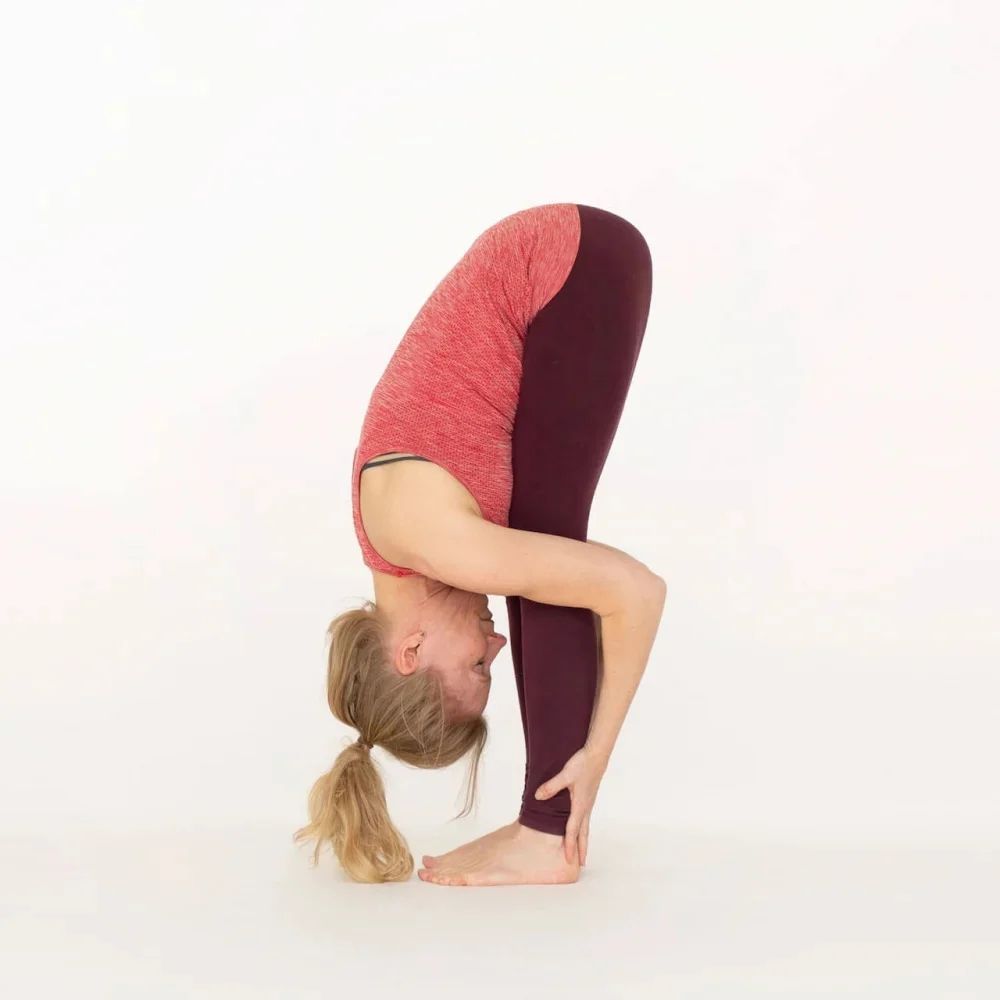
6. Standing Forward Fold
Main benefit: Mobilises the spine and gently stretches the back.
Start on your hands and knees. Alternate between gently rounding your spine and lifting your chest while coordinating the movement with your breath.
7. Low Lunge
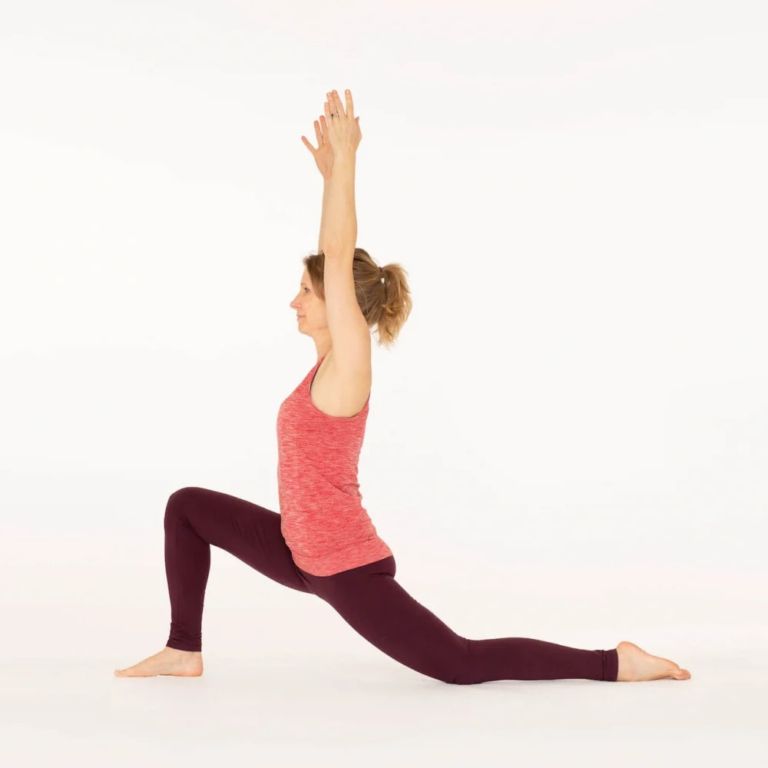
Main benefit: Stretches the hip flexors and thighs while opening the front of the body.
Step one foot forward and lower your back knee towards the floor. Keep your movements controlled and use your hands or yoga blocks for support.
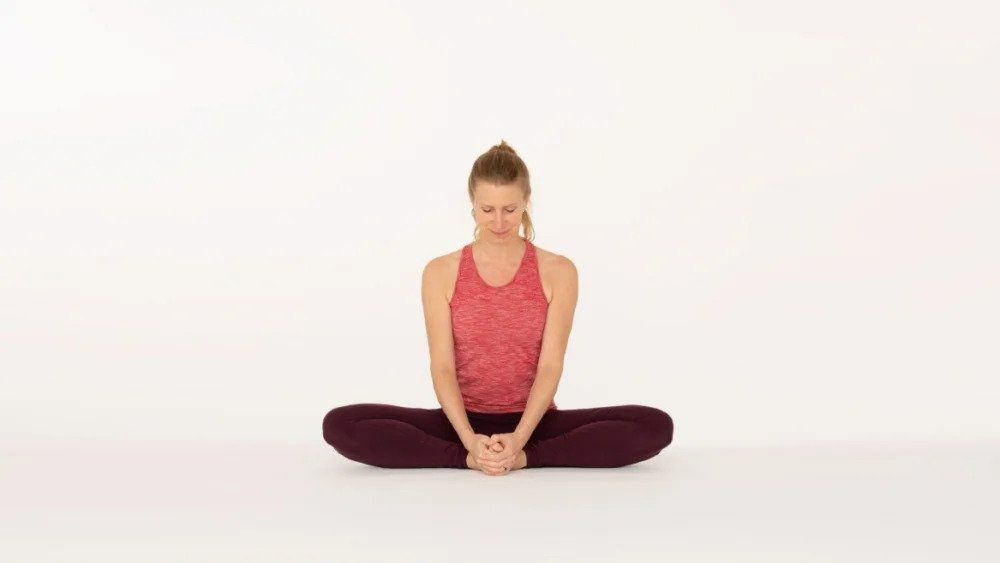
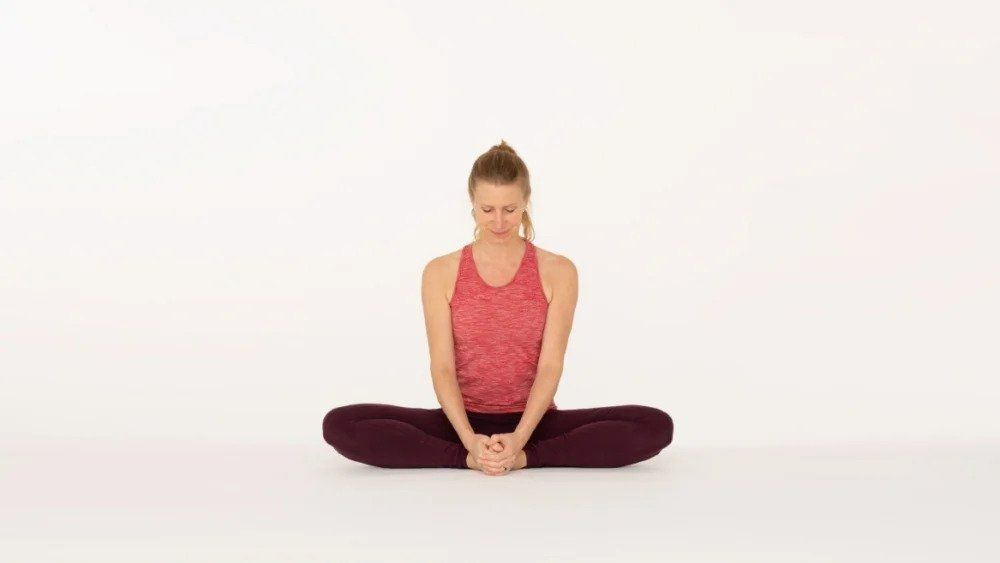
8. Butterfly Pose
Main benefit: Gently stretches the inner thighs, hips and lower back.
Sit comfortably, bring the soles of your feet together and allow your knees to move gently towards the floor. Do not push your knees down.
9. Seated Forward Fold
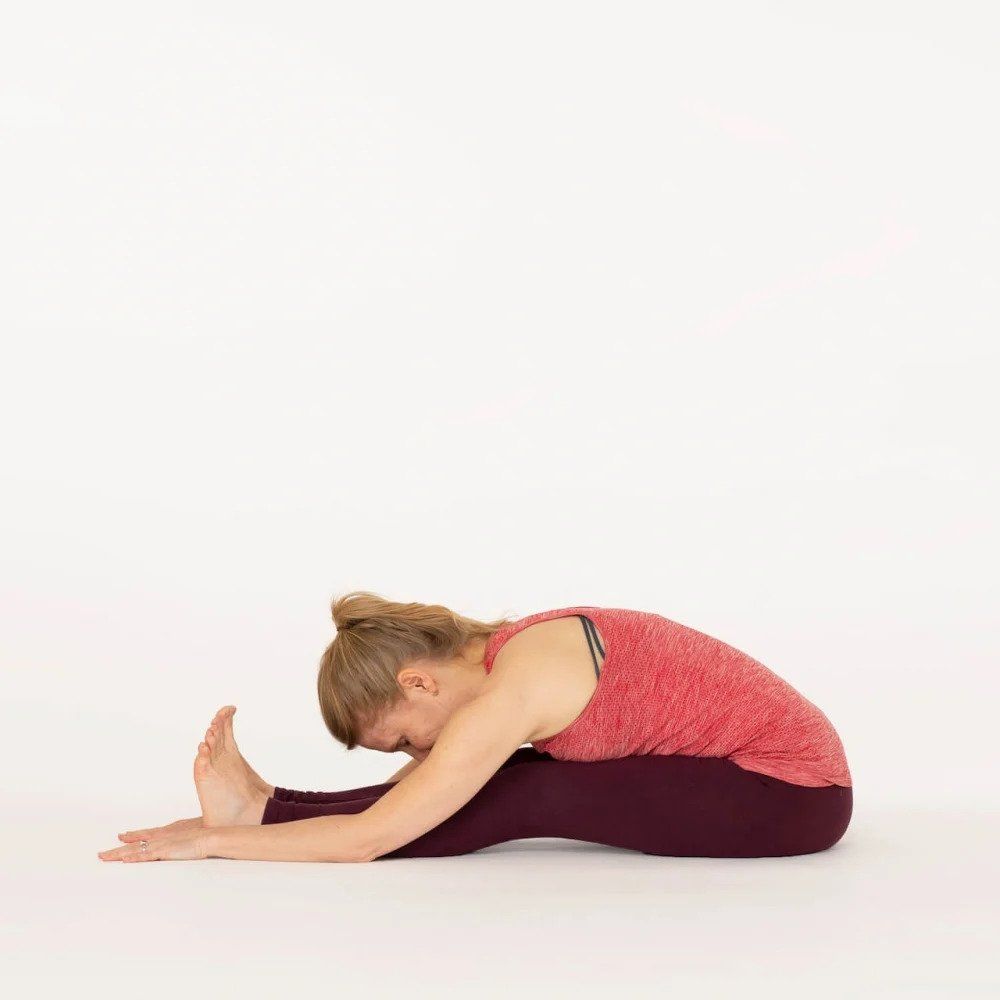
Main benefit: Stretches the hamstrings, hips and back.
Sit with your legs extended and gently fold forward from your hips. Keep your knees slightly bent if needed.
10. Supine Twist
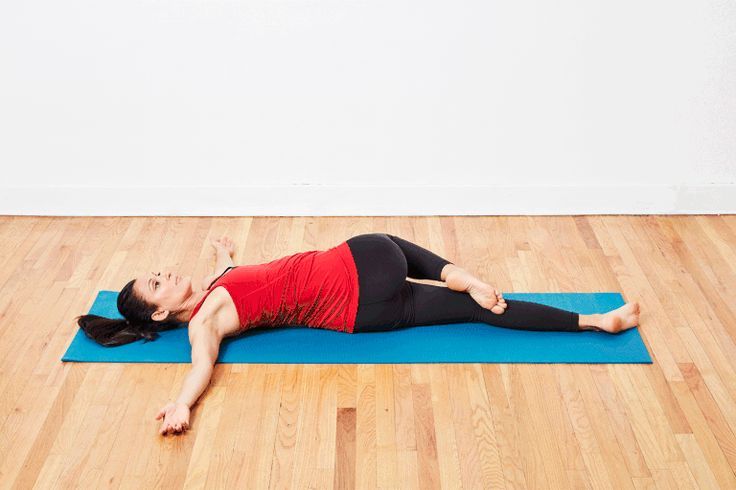
Main benefit: Encourages gentle spinal mobility and stretches the back and torso.
Lie on your back and bring your knees towards your chest. Slowly lower your knees to one side while keeping the movement comfortable, then repeat on the other side.
11. Bridge Pose
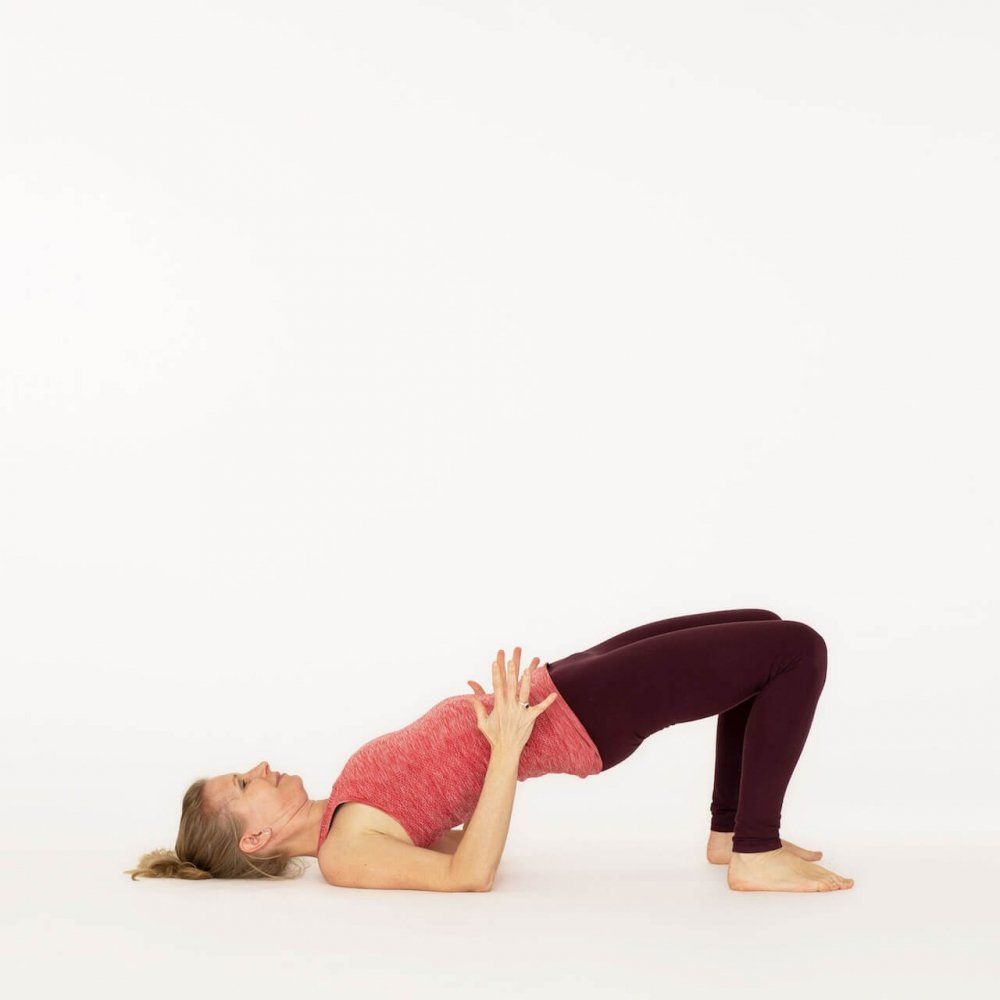
Main benefit: Strengthens the glutes and back while opening the front of the hips.
Lie on your back with your knees bent and feet on the floor. Press through your feet and gently lift your hips while keeping your shoulders relaxed.
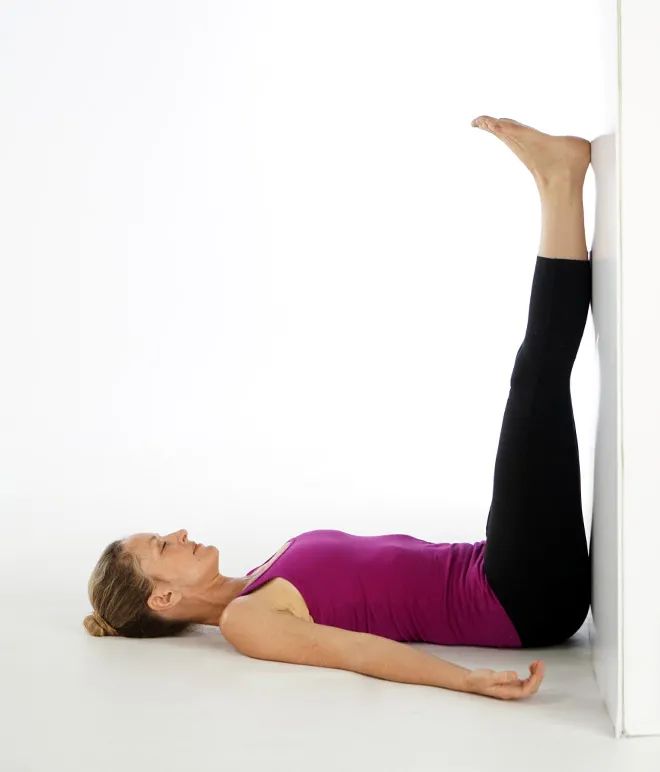
12. Legs-Up-the-Wall Pose
Main benefit: Promotes relaxation and provides a gentle stretch for the backs of the legs.
Sit close to a wall, lie back and extend your legs upwards against it. Stay here for several comfortable breaths.
13. Tree Pose
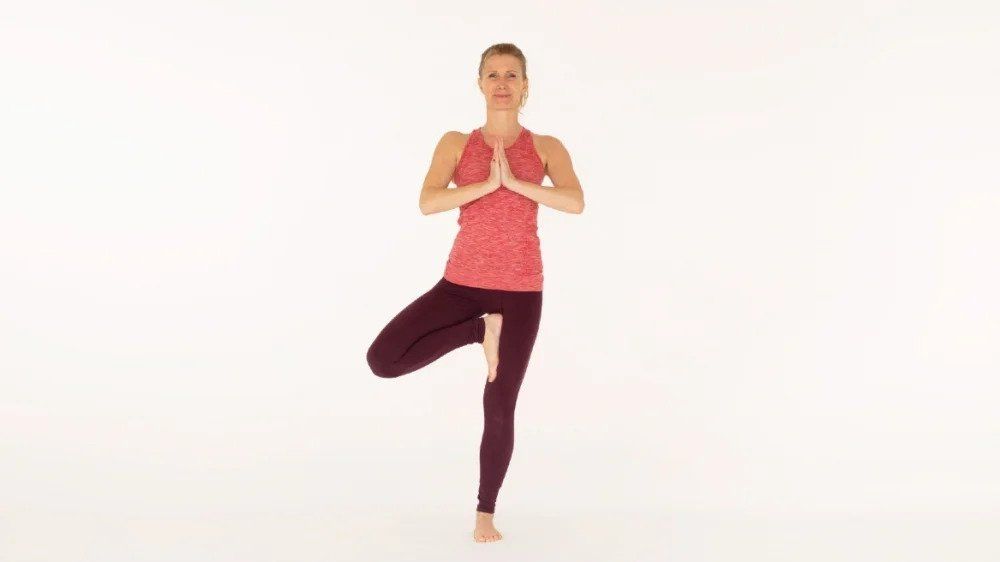
Main benefit: Improves balance, stability and leg strength.
Stand tall and place one foot against the opposite inner calf or thigh, avoiding the knee. Use a wall for support if needed.
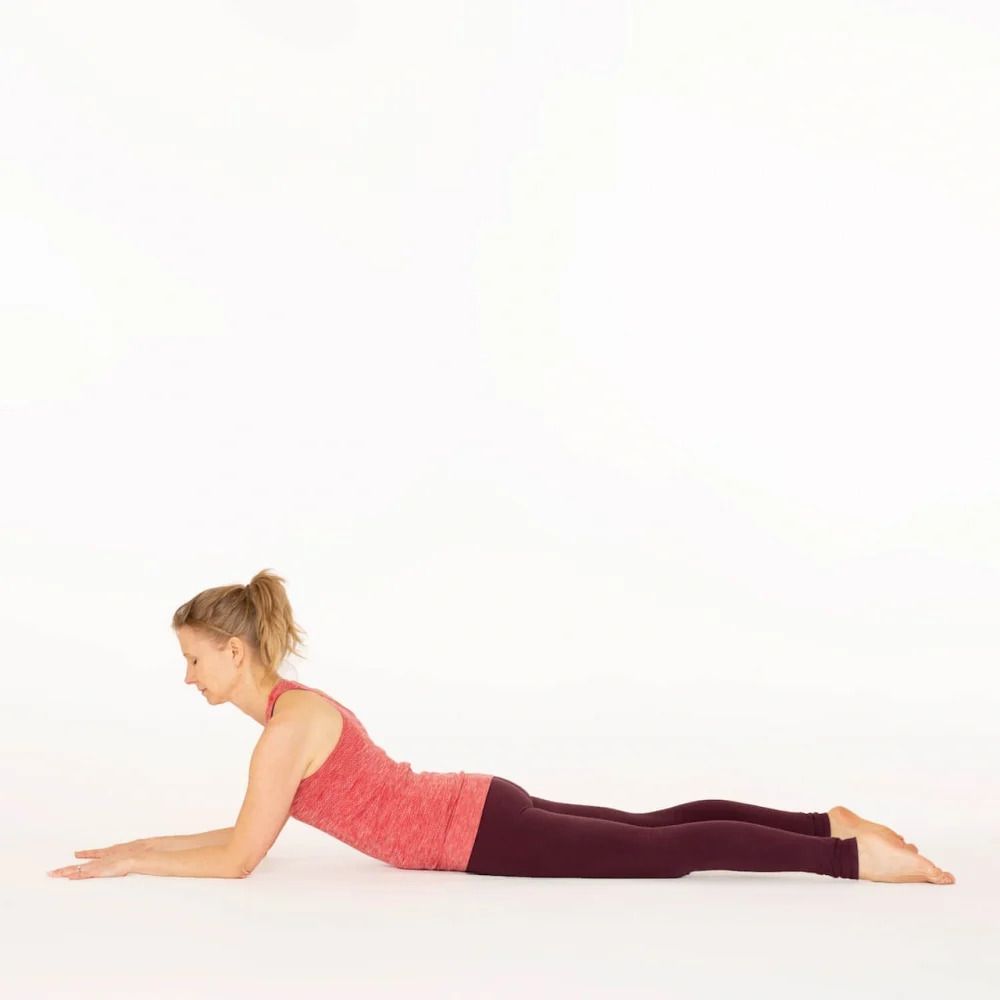
14. Sphinx Pose
Main benefit: Gently strengthens and extends the spine while opening the chest.
Lie on your stomach and rest on your forearms. Keep your shoulders relaxed and lift through your chest without forcing the backbend.
15. Corpse Pose
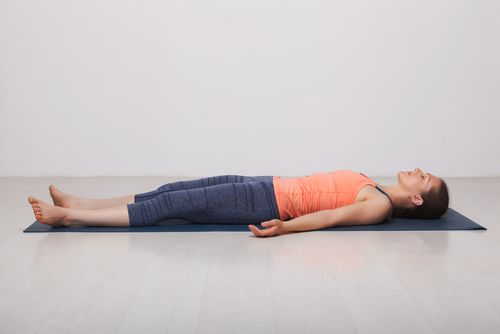
Main benefit: Provides a final relaxation period to allow the body and mind to unwind.
Lie comfortably on your back with your arms and legs relaxed. Close your eyes and take slow, comfortable breaths.
Yoga Pose Variations for Elderly Beginners
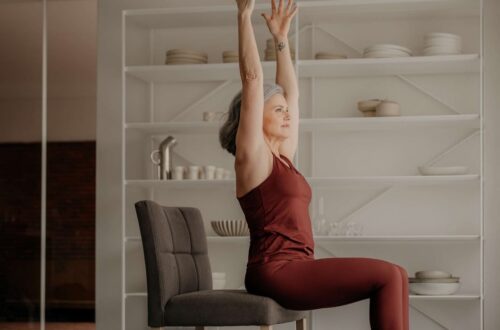
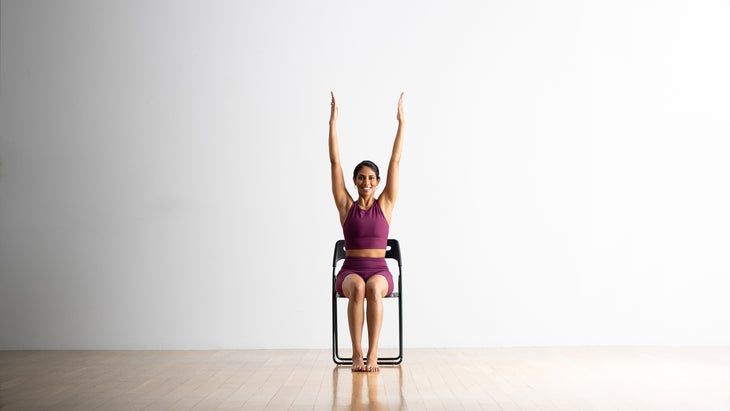
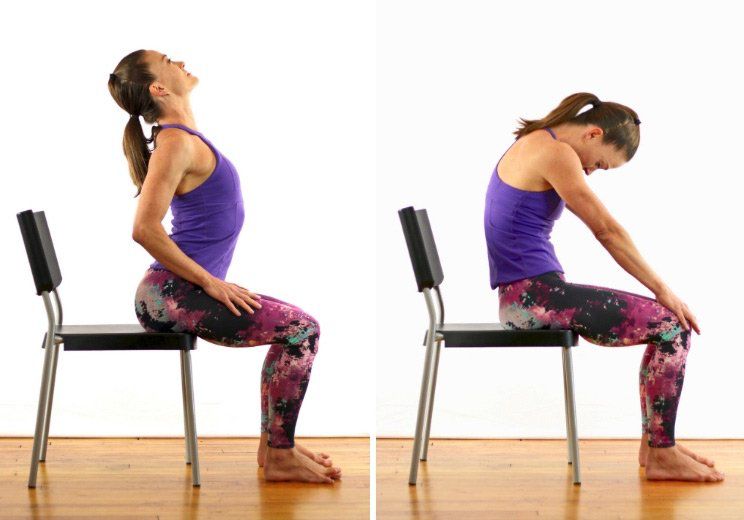
These easy yoga poses for elderly beginners can be modified to support mobility, balance and flexibility. Older adults or anyone with limited mobility should practice mindfully, move slowly and use a chair or wall for additional support when necessary.
Avoid forcing a stretch or holding a position that causes pain. Focus on comfortable movement and steady breathing.
- Chair Mountain Pose: Sit or stand with support while focusing on posture and breathing.
- Seated Cat-Cow: Move the spine gently while seated in a stable chair.
- Seated Butterfly: Bring the feet together while seated and allow the knees to relax naturally.
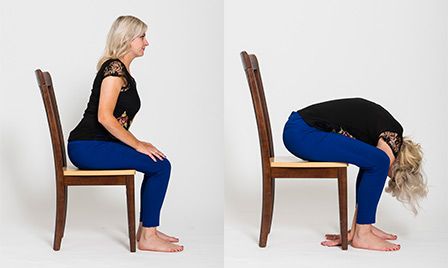
- Chair Forward Fold: Gently fold forward from a seated position.
- Legs-Up-the-Wall: Use the wall to support the legs while lying comfortably.
A Gentle 20-Minute Yoga Routine for Flexibility
If your goal is to improve flexibility, try this gentle routine for flexibility as part of an easy everyday yoga routine:
- 2 minutes: Breathing and Mountain Pose
- 3 minutes: Cat-Cow and Child’s Pose
- 5 minutes: Downward-Facing Dog and Low Lunge
- 4 minutes: Butterfly Pose and Seated Forward Fold
- 3 minutes: Supine Twist and Bridge Pose
- 3 minutes: Legs-Up-the-Wall and Corpse Pose
You can adjust the duration according to your ability. For easy yoga poses for flexibility, consistency is more important than pushing yourself into deeper stretches.
Is 20 Minutes of Yoga Daily Enough?
Yes. A consistent 20-minute yoga practice can be a useful way to incorporate movement into your day. Beginners can start with 10–20 minutes and gradually increase their practice as they become more comfortable. The benefits of yoga depend on factors such as consistency, intensity and individual goals.
Common Yoga Mistakes to Avoid
When starting yoga, avoid these common mistakes:
- Pushing too deeply into a pose
- Holding your breath
- Comparing your flexibility with others
- Skipping a gentle warm-up
- Ignoring pain
- Attempting advanced poses too soon
Yoga should feel controlled and comfortable rather than forced.
What Not to Do Before and After Yoga
Before Yoga
- Avoid practicing immediately after a heavy meal.
- Don’t begin with intense poses without warming up.
- Don’t ignore pain or physical limitations.
- Don’t rush through your practice.
After Yoga
- Avoid immediately moving into strenuous activity.
- Take a few minutes to cool down.
- Rehydrate as needed.
- Give yourself time to relax and allow your breathing to settle.
FAQ
Is 20 minutes of yoga daily enough?
Yes. A regular 20-minute practice can be a practical way for beginners to build a consistent yoga routine.
How many minutes of yoga a day is beneficial?
There is no single amount that works for everyone. Even a short, consistent practice can be useful, while the ideal duration depends on your goals, experience and physical ability.
What is the best time of the day to do yoga?
The best time to do yoga is the time that fits your schedule and allows you to practice consistently. Morning yoga can provide gentle movement to start your day, while evening yoga can help you unwind with slower, restorative poses.
What are the common yoga mistakes to avoid?
Avoid forcing poses, holding your breath, rushing through movements, comparing yourself with others and ignoring pain.
What not to do before yoga?
Avoid heavy meals immediately before yoga, skipping your warm-up and attempting difficult poses without preparation.
What not to do after yoga?
Avoid immediately moving into strenuous activity. Instead, take time to cool down, hydrate and allow your body to relax.
Are these yoga poses suitable for elderly people?
Many beginner yoga poses can be adapted for older adults. Using a chair, wall or other support can make certain poses more accessible and comfortable.